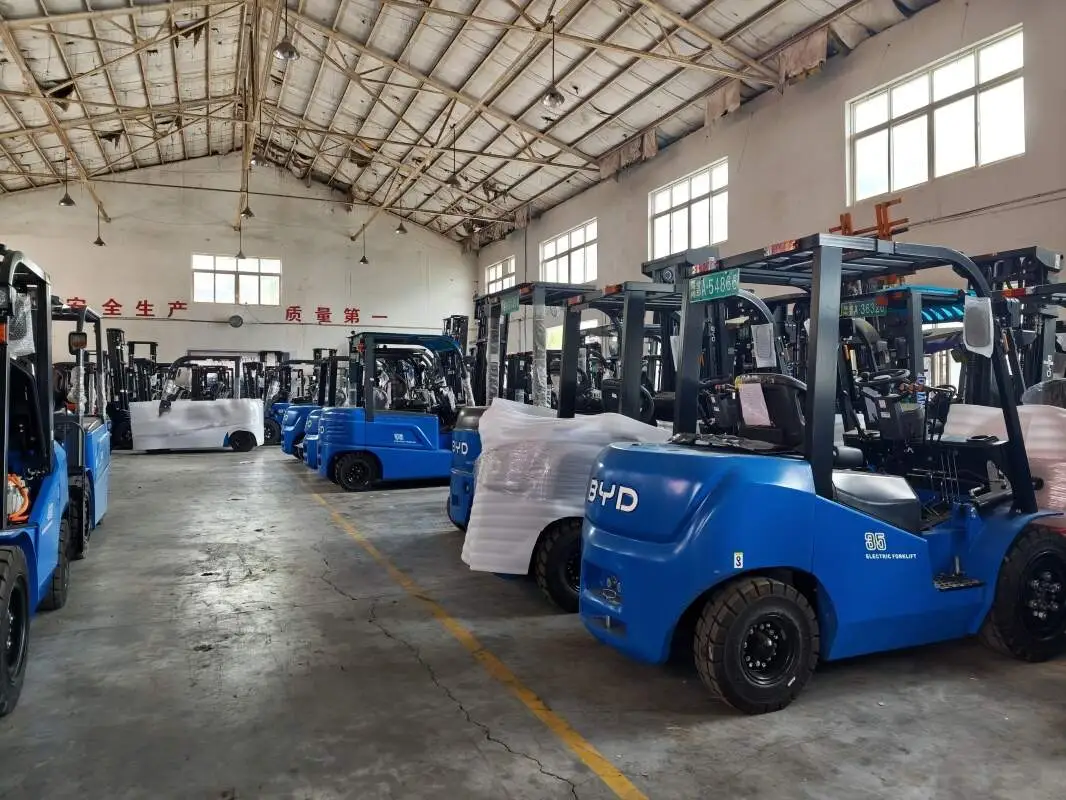
Mini forklifts have become a go-to tool for homeowners tackling a range of residential tasks, from moving heavy landscaping materials and construction supplies to rearranging large outdoor furniture. While their compact size makes them ideal for tight spaces like driveways and backyard areas, adhering strictly to weight and load restrictions is critical to ensuring safe operation and preventing costly damage or accidents.
Understanding why these restrictions exist is the first step to responsible use. Overloading a mini forklift can compromise its stability, increasing the risk of tipping—especially on uneven residential terrain like sloped lawns or gravel paths. Excess weight can also strain key components such as the hydraulic system, tires, and frame, leading to premature wear and potential mechanical failures that require costly repairs.
Several key factors determine the load capacity of a mini forklift in residential settings. First and foremost is the forklift’s rated load capacity, which is specified by the manufacturer. This rating refers to the maximum weight the forklift can safely lift at a standard load center, typically 24 inches from the front of the forks. It’s important to note that this capacity decreases as the lift height increases; lifting a heavy load to a higher elevation reduces the forklift’s stability, so always consult the operator’s manual for adjusted limits at different heights.
Terrain is another critical factor. Residential environments often include uneven surfaces, soft grass, or slight slopes. Operating a mini forklift on these surfaces reduces its effective load capacity, as the ground may not provide the necessary traction or stability. For example, a forklift that can safely lift 1,500 pounds on a flat driveway may only handle 1,200 pounds on a sloped lawn. Always assess the terrain before lifting, and reduce the load weight if the surface is unstable.
Additional accessories can also impact load restrictions. Attachments like fork extensions, bucket attachments, or pallet adapters change the forklift’s center of gravity, which lowers its safe load capacity. If you use any attachments, be sure to refer to the manufacturer’s guidelines to determine the adjusted weight limits for your specific setup.
To ensure safe operation, follow these best practices. Always inspect the forklift before use, checking for tire pressure, hydraulic fluid levels, and any signs of wear on the forks or frame. When loading, distribute the weight evenly on the forks to maintain balance, and avoid lifting loads that exceed the specified capacity for the current lift height and terrain. Never move a lifted load at high speeds, and keep a safe distance from obstacles, pedestrians, and structures around your home.
Regular maintenance is also essential to preserving the forklift’s load-carrying capabilities. Scheduled inspections and repairs can identify potential issues before they affect the forklift’s performance, ensuring it operates within its intended weight limits. By prioritizing proper maintenance and adhering to load restrictions, you can extend the lifespan of your mini forklift while keeping your residential workspace safe.
In conclusion, weight and load restrictions are not arbitrary rules—they are designed to protect both the operator and the equipment. Whether you’re working on a small backyard project or a larger home renovation, taking the time to understand and follow these guidelines will help you use your mini forklift safely and effectively, minimizing the risk of accidents and ensuring successful completion of your tasks.