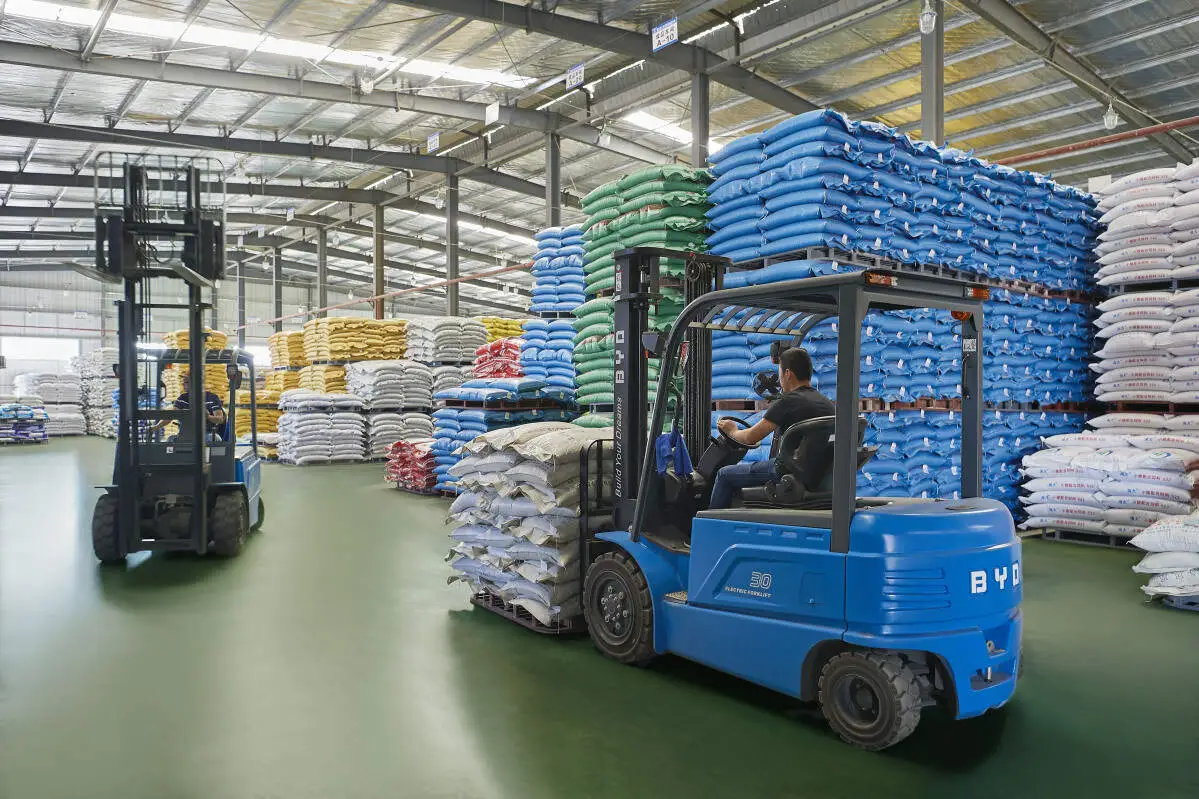
Forward-view mirrors are a critical safety component for forklifts operating on job sites, enabling operators to monitor blind spots, detect nearby personnel, and avoid collisions with obstacles. Over time, these mirrors may sustain damage due to impacts, environmental exposure, or general wear, making it essential to establish clear replacement criteria to uphold operational safety.
Physical Damage Thresholds
Any visible cracks, chips, or complete shattering of the mirror glass warrants immediate replacement. Even small cracks can distort the operator’s field of view and reduce visibility, increasing the risk of accidents. Additionally, if the mirror housing is bent, dented, or has broken mounting brackets that prevent secure attachment, replacement is necessary to ensure stability during operation.
Impaired Visual Clarity
Mirrors that have become scratched, fogged, or discolored due to prolonged exposure to dust, moisture, or UV rays should be replaced promptly. Reduced clarity means operators cannot accurately judge distances or identify hazards, compromising safe maneuvering. Even minor scratches that cause glare during daylight or low-light conditions can hinder visibility and require replacement to maintain optimal sightlines.
Structural Instability
If the mirror assembly wobbles, shifts out of position easily, or cannot be adjusted to maintain a consistent viewing angle, it is no longer functional for safe operations. Loose mounts or damaged adjustment mechanisms can lead to sudden shifts in the mirror’s position during forklift movement, leaving operators without reliable visibility of surrounding areas. Replacing the mirror assembly ensures it stays securely in place and can be adjusted as needed to suit the operator’s height and working conditions.
Compliance with Safety Regulations
Job sites must adhere to local occupational safety regulations regarding forklift equipment. Many standards specify that forward-view mirrors must provide an unobstructed view of the area behind and to the sides of the forklift. If a damaged mirror fails to meet these minimum visibility requirements, replacement is mandatory to remain compliant and avoid potential penalties or safety violations that could disrupt site operations.
Post-Replacement Verification
After installing a new forward-view mirror, operators should conduct a brief inspection to confirm it is securely mounted and adjusted to provide optimal visibility. Testing the mirror during slow maneuvering ensures it stays in position and offers clear views of pedestrians, other equipment, and obstacles, confirming the replacement meets the necessary safety standards before resuming full operations.
By following these replacement criteria, job site managers and forklift operators can proactively address damaged mirrors, maintaining a safe working environment and reducing the risk of accidents related to impaired visibility. Regular checks of forklift mirrors as part of routine maintenance can help identify issues early, ensuring timely replacements when needed to keep operations running smoothly and safely.