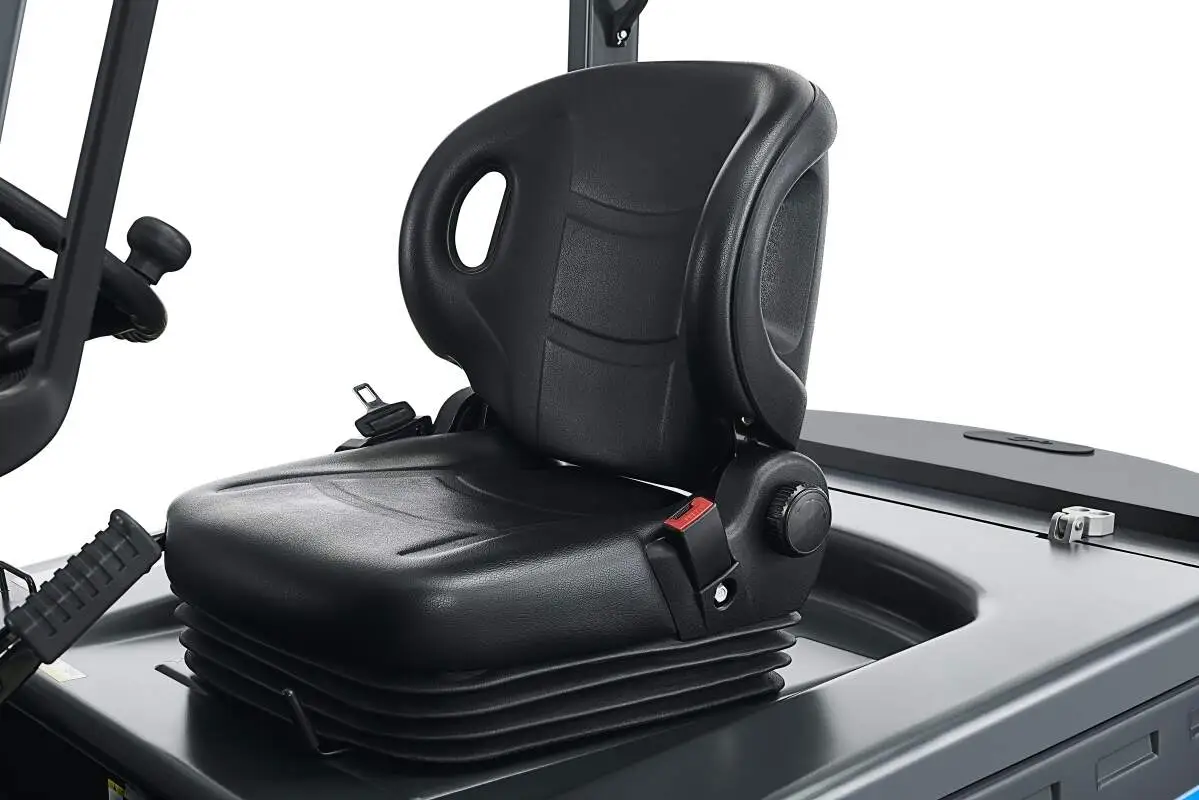
In warehouse and logistics operations, forklifts play a pivotal role in streamlining material handling tasks. Beyond basic operation, forklift operators bear critical responsibilities that directly impact operational efficiency and workplace safety. Two core areas of these duties are equipment upkeep and workplace safety management, which are essential for preventing downtime, reducing accident risks, and maintaining a productive work environment.
First, regular equipment upkeep is a fundamental duty for every forklift operator, especially for electric models that rely on specialized components. Pre-operation inspections are non-negotiable; operators must check key systems before starting any shift. This includes examining brake functionality to ensure responsive stopping, inspecting tire condition for wear or damage that could affect stability, and verifying hydraulic system pressure to confirm smooth lifting and lowering of loads. For electric forklifts, battery maintenance is a top priority: operators need to monitor battery charge levels, ensure proper connection to charging stations, and follow guidelines for safe charging to extend battery lifespan. Additionally, keeping the forklift clean—removing debris from the chassis, controls, and battery compartment—helps prevent component damage and ensures clear visibility of critical indicators. Operators are also responsible for documenting any unusual sounds, leaks, or performance issues during inspections and reporting them promptly to maintenance teams, enabling timely repairs before small problems escalate into major breakdowns.
Second, effective workplace safety management is another core duty that demands constant attention. Operators must adhere to strict operational protocols to protect themselves, colleagues, and valuable inventory. This includes maintaining safe speeds adapted to the workspace—slowing down in narrow aisles, near pedestrian zones, or around elevated loads—to avoid collisions. Proper load balancing is crucial; operators must ensure loads are centered and secured correctly before moving, preventing tip-overs that can cause severe injuries or product damage. Being aware of blind spots is also essential; operators should use mirrors, sound alarms, and hand signals to communicate with pedestrians and other equipment operators, especially in busy warehouse areas. Additionally, operators need to monitor the work environment for hazards such as wet floors, uneven surfaces, or unmarked obstacles, adjusting their operation accordingly to mitigate risks. In the event of an accident or equipment failure, operators must follow emergency procedures, including shutting down the forklift, reporting the incident immediately to supervisors, and assisting with any necessary investigations to prevent future occurrences.
Overall, the core duties of forklift operators extend far beyond driving. By prioritizing consistent equipment upkeep and vigilant workplace safety management, operators contribute to a seamless supply chain, reduce operational costs associated with repairs and accidents, and foster a culture of safety within the workplace. These responsibilities require a combination of technical knowledge, attention to detail, and a commitment to following established protocols, making forklift operators indispensable to safe and efficient material handling operations.