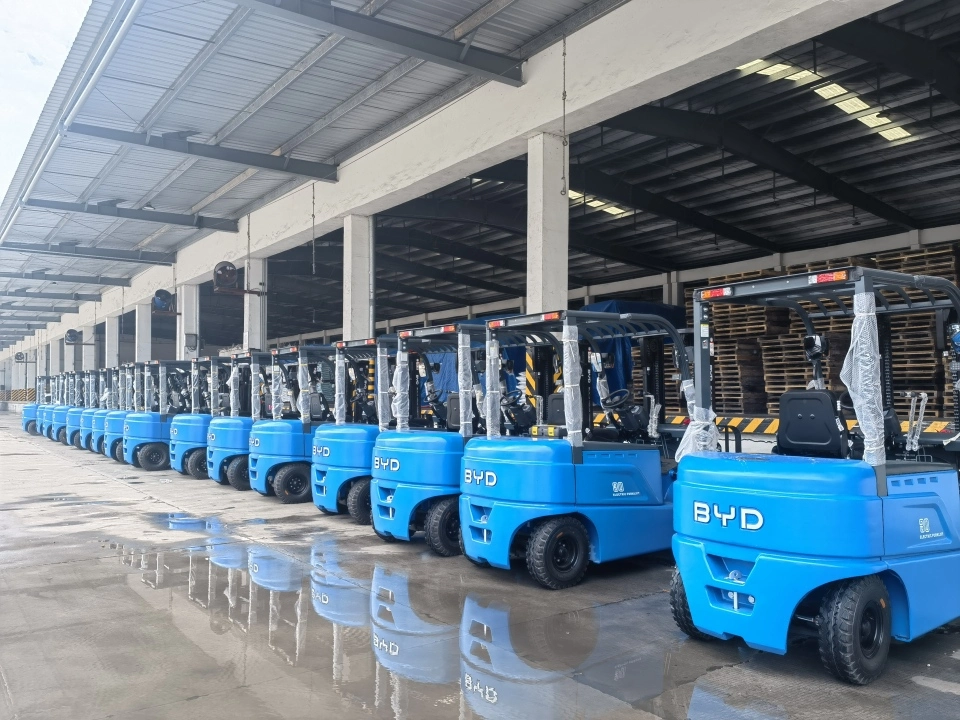
Regulatory compliance is a critical priority for any operation using electric forklifts, as OSHA (Occupational Safety and Health Administration) sets strict standards to protect workers and reduce workplace hazards. Adhering to OSHA-aligned maintenance practices not only ensures compliance but also extends equipment lifespan, minimizes downtime, and enhances overall workplace safety.
Every shift should begin with a thorough pre-operation inspection, a mandate under OSHA standards. Inspectors must check key components including battery connections, brake systems, steering mechanisms, tire condition, and lighting. Any signs of wear, damage, or malfunction—such as loose wires, worn brake pads, or low battery levels—must be documented and resolved before the forklift enters use. This step identifies potential issues early, preventing accidents and ensuring safe operation.
Establishing a regular preventive maintenance schedule is essential for OSHA compliance. The schedule should align with the forklift’s usage frequency, manufacturer recommendations, and OSHA guidelines. Tasks include battery maintenance (checking electrolyte levels, cleaning terminals), lubricating moving parts, inspecting hydraulic systems for leaks, and testing safety features like horns and reverse alarms. Conducting these tasks at weekly, monthly, or quarterly intervals prevents unexpected breakdowns and keeps equipment in optimal condition.
OSHA requires detailed records of all maintenance, inspections, and repairs. These records should include activity dates, completed tasks, technician names, and resolved issues. Accurate documentation not only proves compliance during OSHA audits but also provides a historical overview of the forklift’s condition, guiding future care and replacement decisions.
Proper training for operators and maintenance personnel is a cornerstone of OSHA-aligned compliance. Operators must learn to perform pre-operation inspections correctly, recognize hazards, and report issues promptly. Maintenance teams need specialized training on electric forklift systems to execute repairs safely and effectively. Regular refresher sessions keep skills up-to-date and reinforce adherence to OSHA standards.
When issues are identified, prompt repairs are non-negotiable. Delaying fixes can lead to equipment failure, accidents, and regulatory non-compliance. Operators should take forklifts out of service immediately if significant malfunctions are noticed, and maintenance teams must prioritize these repairs. A follow-up inspection verifies the forklift is safe to return to operation.
By implementing these practices, operations meet regulatory compliance, protect their workforce, and optimize electric forklift performance. Consistent adherence reduces OSHA penalty risks and fosters a culture of safety and accountability in the workplace.