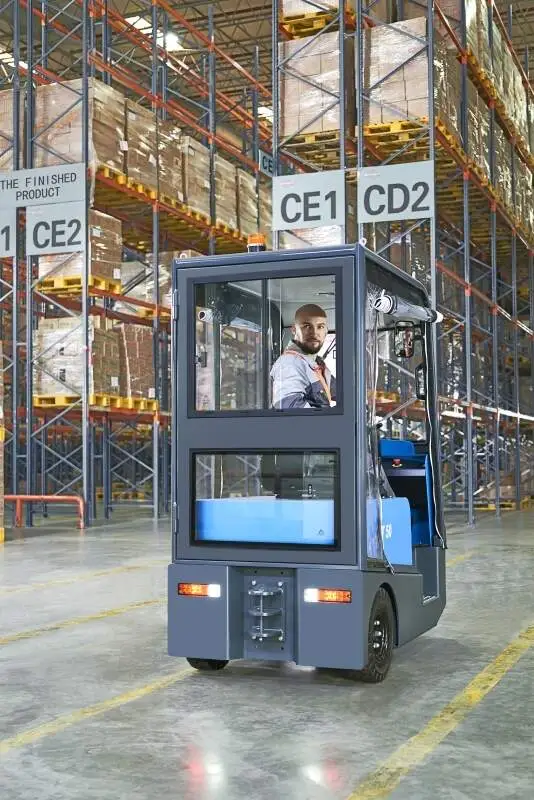
electric forklift batteries are the backbone of efficient material handling operations, and proper maintenance is key to maximizing their lifespan, reducing downtime, and ensuring consistent performance. Following a structured maintenance checklist can help operators and technicians catch potential issues early and keep electric units running smoothly.
Start with daily pre-operation inspections. Before using the forklift, visually examine the battery for signs of damage, such as cracks, leaks, or swollen casings. Check the terminal connections to ensure they are tight and free of corrosion—loose or corroded terminals can lead to poor power transfer and battery failure. For flooded lead-acid batteries, verify the electrolyte level to ensure it covers the plates; add distilled water only if necessary, avoiding overfilling which can cause spills during charging.
Adhere to proper charging practices to avoid overcharging or undercharging, both of which can shorten battery life. Always use the charger specified for your battery type and follow recommended charging times. Charge in a cool, well-ventilated area to prevent overheating, and disconnect the charger properly once the battery is fully charged. Allow the battery to cool completely before operating the forklift again.
Regular cleaning is essential to prevent dirt and debris from impacting battery performance. Use a damp cloth to wipe down the battery surface, focusing on terminals and connectors. For corroded terminals, a gentle scrub with a baking soda and water mixture can remove buildup, followed by a clean water rinse and thorough drying. Avoid harsh chemicals or high-pressure water, which can damage sensitive battery components.
Schedule periodic deep inspections based on usage frequency—monthly for high-use units, quarterly for less frequent operations. Test the battery’s voltage and capacity using appropriate tools to ensure it holds a charge effectively. Check for uneven cell wear, which may require professional servicing, and inspect cables for fraying or damage, replacing them promptly to avoid electrical hazards.
If the forklift will be out of service for an extended period, proper storage is critical. Fully charge the battery before storing it in a cool, dry location with stable temperatures. Check the voltage monthly and recharge if it drops below recommended levels to prevent sulfation, a permanent damage issue. Avoid storing in direct sunlight or areas with extreme humidity.
By following this checklist, you can extend your electric forklift battery’s lifespan, cut operational costs, and maintain reliable equipment performance. Consistent maintenance protects your investment and promotes a safer work environment by minimizing battery-related failures and accidents.