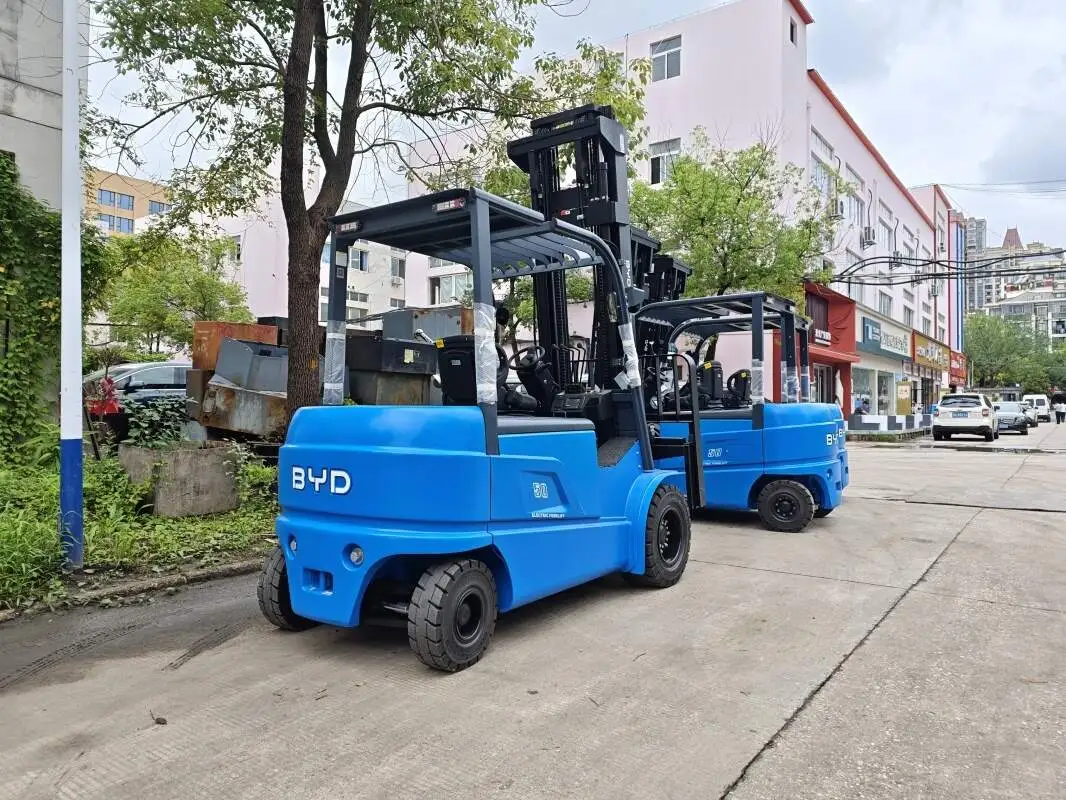
In the realm of material handling, electric forklifts play a pivotal role in keeping operations running smoothly. However, their performance relies heavily on properly maintained batteries, which often become a bottleneck in daily operations due to time-consuming refueling and servicing processes. forklift battery quick fill systems emerge as a practical solution to address these challenges, directly targeting improvements in battery service efficiency.
Traditional battery filling methods typically involve manual pouring of distilled water or electrolyte, a process that is not only slow but also prone to human error. Technicians may spend significant time checking each cell, measuring fluid levels, and carefully adding liquid to avoid overfilling or underfilling. This not only delays forklift return-to-service times but also increases the risk of battery damage from incorrect fluid levels, leading to reduced battery lifespan and higher long-term operational costs.
Forklift battery quick fill systems streamline this entire process. Designed to deliver precise amounts of fluid to multiple battery cells simultaneously, these systems cut down service time dramatically. Instead of spending minutes per battery, technicians can complete the filling process in a fraction of the time, allowing forklifts to get back to work faster. Additionally, the automated nature of quick fill systems minimizes the risk of overfilling, which can cause electrolyte leakage and corrosion, while ensuring each cell receives the exact amount of fluid needed for optimal performance.
Beyond time savings, quick fill solutions contribute to overall battery service efficiency in several ways. They promote consistent maintenance practices, as the standardized process reduces variability in how batteries are serviced. This consistency helps extend battery lifespan by ensuring cells remain balanced and properly hydrated. Moreover, quick fill systems often include features like fluid level monitoring, which allows technicians to identify potential issues early, such as excessive fluid loss that may indicate a battery problem. Early detection enables proactive maintenance, preventing costly breakdowns and unplanned downtime.
Implementing a forklift battery quick fill system requires careful consideration of your fleet's specific needs. Start by assessing the number of forklifts in your operation and their battery types, as different systems may be compatible with various battery sizes and chemistries. Training your maintenance team on how to use the system correctly is also crucial to maximize its benefits. Proper training ensures technicians can operate the equipment safely, interpret monitoring data, and perform routine checks to keep the quick fill system in good working order.
It’s important to note that while quick fill systems enhance efficiency, they should be part of a comprehensive battery maintenance program. Regular cleaning, terminal inspection, and performance testing remain essential to keep batteries operating at their best. Combining quick fill technology with these foundational maintenance tasks creates a holistic approach that optimizes both service efficiency and battery longevity.
In conclusion, forklift battery quick fill systems offer a tangible way to improve battery service efficiency, reduce operational downtime, and extend battery lifespan. By streamlining the filling process, minimizing human error, and supporting consistent maintenance practices, these systems are a valuable investment for any operation relying on electric forklifts. As material handling demands continue to grow, adopting such efficiency-boosting solutions can help businesses stay competitive and keep their operations running smoothly.