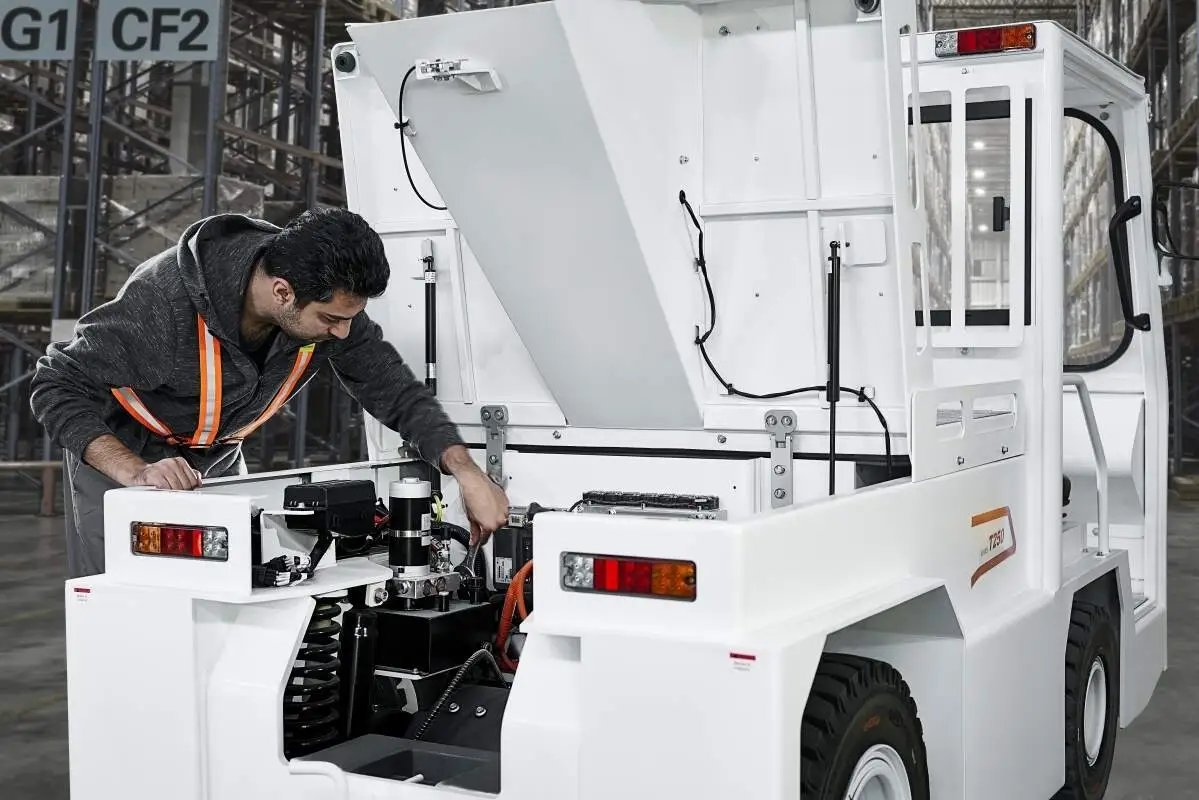
forklift lockout tagout (LOTO) procedures are critical safety protocols designed to prevent accidental startup of electric forklifts during maintenance, repair, or cleaning activities. Every year, workplace incidents involving forklifts occur due to inadequate energy control measures, making LOTO a non-negotiable part of warehouse and industrial safety programs.
Before initiating any LOTO process, it is essential to notify all relevant personnel, including operators, maintenance technicians, and supervisors, about the upcoming work. This ensures no one attempts to operate the forklift while it is under lockout. Next, the forklift must be brought to a secure, flat location, and all controls should be set to the "off" position to minimize residual energy risks.
Electric forklifts rely on multiple energy sources, including batteries and hydraulic systems, each of which must be individually isolated. For battery-powered units, disconnect the battery cables and secure them with a locking device to prevent accidental reconnection. For hydraulic systems, close all pressure valves and lock them in place to eliminate residual hydraulic pressure that could cause unexpected movement of forklift components.
Once all energy sources are isolated, apply a unique lock to each isolation point. Only the authorized personnel performing the work should hold the key to these locks to ensure sole control over the lockout process. Attach a highly visible, durable tag to each lock that clearly states the reason for lockout, the name of the responsible person, and the date and time the lockout was initiated. Tags should be impossible to remove without breaking, ensuring continuous warning until the lockout is properly lifted.
After applying locks and tags, verify that the forklift is in a zero-energy state by attempting to start the vehicle or activate its controls. Confirm no power flows to the motor, and check hydraulic lines for any remaining pressure. Inspect all moving parts, such as forks and lifting mechanisms, to ensure they are completely stationary. This verification step is non-negotiable, as it confirms the lockout is effective before any maintenance work begins.
Once maintenance or repair work is complete, inspect the forklift to ensure all tools and materials have been removed, and all components are properly reassembled. Notify all relevant personnel that the lockout will be removed to avoid confusion. Remove tags and locks in the reverse order of application, then recheck the forklift’s functionality by testing controls and ensuring all systems operate safely before returning it to regular use.
Practical guidance for implementing forklift LOTO procedures includes regular training for all personnel involved. Training should cover how to identify energy sources, properly apply locks and tags, and verify zero energy states. It is also important to maintain detailed records of all lockout activities, including dates, personnel involved, and the nature of the work performed. These records aid in compliance audits and continuous improvement of safety protocols.
A comprehensive forklift LOTO template should include clear step-by-step instructions tailored to the specific type of electric forklift in use. It should outline roles and responsibilities, list all energy sources to be isolated, and provide a checklist for verifying lockout effectiveness. The template should also include sections for documenting lockout initiation and completion, ensuring accountability and traceability for every procedure.
By following these structured lockout tagout procedures and using a customized template, workplaces can significantly reduce the risk of forklift-related accidents. Prioritizing LOTO compliance not only protects workers from harm but also ensures adherence to occupational safety regulations. Regular review and updates of procedures are essential to adapt to new equipment or workplace changes, keeping safety standards high at all times.