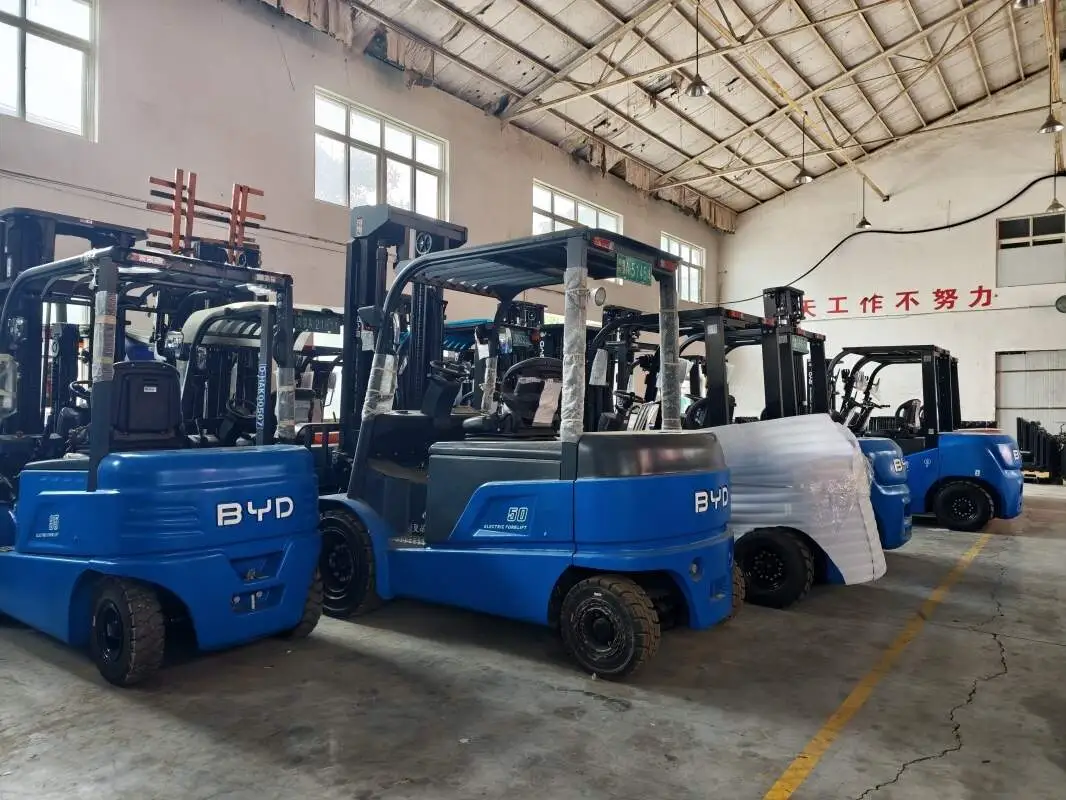
As electric forklifts grow more integral to warehouse operations, proper charging station setup and charger installation are critical to sustaining efficiency and worker safety. Poorly configured charging systems pose electrical hazards, fire risks, and costly equipment damage risks, making adherence to strict safety protocols essential for compliance and asset protection.
Before any installation work begins, a comprehensive pre-installation risk assessment is mandatory. Evaluate warehouse spaces to select optimal charging locations: areas should be well-ventilated to dissipate charging-generated heat, positioned away from high-traffic zones to reduce collision risks, and equipped with electrical-rated fire suppression tools. A qualified electrician must also verify the warehouse’s power supply capacity to ensure it can support the charger’s voltage and amperage requirements without overloading circuits, while inspecting existing wiring for compliance with heavy-duty equipment safety standards.
All installation activities must align with local and national electrical codes, as well as industry-specific material handling safety guidelines. This includes proper grounding of the charging station to prevent electric shock, using insulated wiring rated for the charger’s power output, and installing overcurrent protection devices like circuit breakers to mitigate short-circuit risks. Avoid routing cables across walkways or under heavy equipment; instead, use cable trays or protective conduits to shield wiring from damage and tripping hazards.
During installation, lockout/tagout (LOTO) protocols are non-negotiable. Before working on electrical components, disconnect the power supply, apply locks and tags to prevent accidental activation by unauthorized personnel. Only certified electricians or technicians trained in industrial charging systems should perform the installation. Mount chargers on stable, non-flammable surfaces at heights that prevent damage from forklift forks, route cables to avoid tangling, and ensure connectors are tightly fastened to prevent arcing or overheating from loose connections.
Post-installation, conduct a thorough inspection to confirm safe, functional operation. Test the charger under normal conditions, check grounding continuity, and inspect wiring for wear or damage. Train warehouse staff on safe charging practices: proper forklift connection/disconnection, identifying hazards like frayed cables or overheating chargers, and emergency response protocols. Schedule regular training refreshers to reinforce these practices.
To maintain a safe charging environment, implement a consistent maintenance schedule. Monthly inspections should include checking cable integrity, cleaning dust from chargers and ports, and verifying overcurrent protection functionality. Annual professional inspections by qualified electricians can identify hidden issues before they escalate into hazards. Keep detailed records of all maintenance and inspections to demonstrate compliance and track system performance over time.
By following these protocols, businesses minimize safety risks, ensure regulatory compliance, and extend electric forklift lifespan. Prioritizing safety in every phase of installation and operation protects workers and supports uninterrupted warehouse productivity.