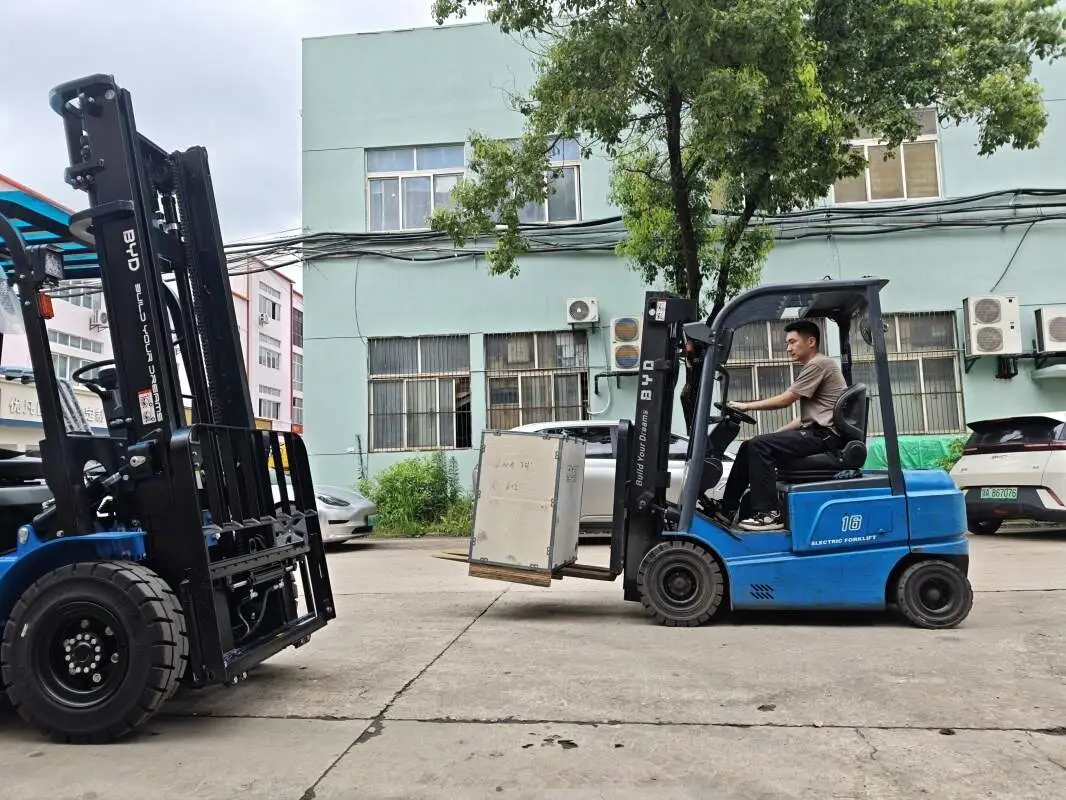
Managing a fleet of multiple forklifts comes with unique challenges, from maintaining operational efficiency to ensuring consistent safety across all units. For warehouses, distribution centers, and industrial facilities, effective fleet management is key to minimizing downtime, reducing operational costs, and extending the lifespan of each forklift. Below are practical, actionable strategies to streamline your forklift fleet operations.
Implement a structured preventive maintenance schedule as the foundation of reliable fleet management. Instead of waiting for breakdowns to occur, establish a regular schedule based on each unit’s usage hours, operational conditions, and general industry guidelines. This includes daily pre-use inspections by operators to check for visible damage or fluid leaks, weekly checks of tire pressure and battery health, and monthly servicing of critical components like brakes and hydraulics. Document all maintenance activities to track trends, identify recurring issues, and schedule servicing during off-peak hours to avoid disrupting daily operations.
Prioritize operator training and safety compliance to mitigate risks associated with multiple forklift units. Ensure all operators complete comprehensive training that covers safe operation techniques, proper load handling, and emergency response procedures. Regular refresher courses can help reinforce best practices and address any gaps in knowledge. Additionally, enforce strict adherence to safety rules, such as mandatory personal protective equipment (PPE) use and facility speed limits. Conduct routine safety audits to identify hazards, such as narrow aisle bottlenecks or improper storage zones, and adjust protocols to address these risks promptly.
Leverage data-driven fleet tracking and scheduling to optimize resource allocation. Invest in a basic fleet management system that provides real-time data on each forklift’s location, usage duration, and performance metrics. This data can help you assign the right forklift to the right task—for example, using smaller, maneuverable units for light loads in narrow aisles and larger units for heavy pallet transport. Monitoring fuel or battery usage also allows you to identify inefficient operations, such as excessive idle time, and implement adjustments to cut energy costs and reduce wear on equipment.
Optimize spare parts inventory management to minimize unexpected downtime. Maintain an organized inventory of commonly used parts, such as filters, battery chargers, and brake pads, based on historical maintenance data and usage patterns. Set clear reorder points to ensure you never run low on essential items, and establish partnerships with reliable suppliers for faster delivery of less frequently used parts. Regularly audit your inventory to remove obsolete parts, free up storage space, and avoid unnecessary holding costs.
Monitor and improve operator performance to enhance overall fleet efficiency. Use fleet management data to assess metrics like idle time, load handling speed, and adherence to safety protocols. Recognize top performers with non-monetary incentives, such as flexible scheduling or public recognition, to encourage positive behavior. Provide targeted coaching to operators who struggle with specific tasks, such as tight corner maneuvering or load balancing, to help them improve their skills. This not only boosts operational efficiency but also fosters a culture of accountability and continuous improvement.
By implementing these practical strategies, you can effectively manage a multiple-unit forklift fleet, reduce long-term operational costs, minimize unplanned downtime, and create a safer work environment. Regular review and adjustment of your fleet management practices will ensure they remain aligned with your facility’s evolving operational needs and goals.