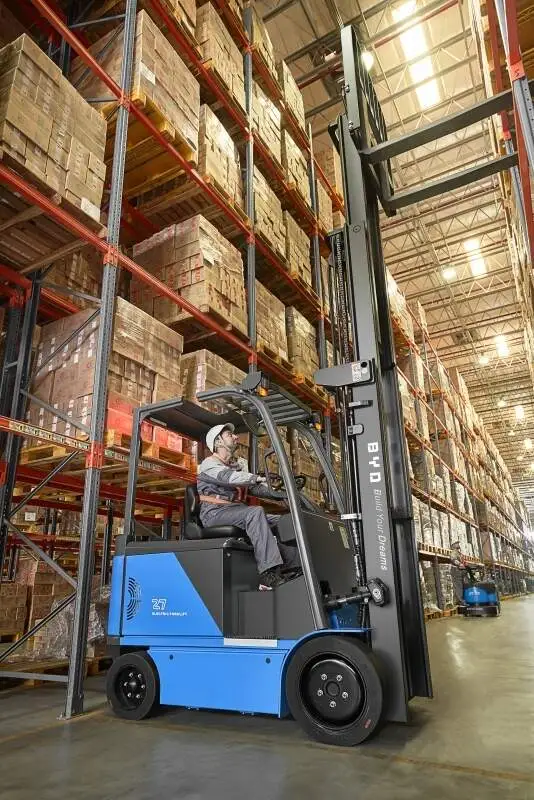
When operating an electric forklift, clear visibility is a cornerstone of workplace safety, and forklift mirrors play a critical role in eliminating blind spots, preventing collisions with personnel or objects, and ensuring smooth material handling operations. Understanding the price range of these mirrors and how to adapt aftermarket options effectively can help fleet managers and operators make informed decisions without compromising safety or budget.
Forklift Mirror Price Range
The cost of electric forklift mirrors varies significantly based on material quality, functional features, and durability.
- Entry-level options: Priced between $20 and $50, these mirrors typically feature plastic frames and standard glass lenses. They are designed for basic indoor operations where the forklift faces minimal impact risk. While budget-friendly, they may lack advanced features like anti-glare coating and have limited adjustability.
- Mid-range options: Falling in the $50 to $120 bracket, these mirrors offer improved performance. They often include anti-glare glass to reduce eye strain in bright indoor or outdoor environments, along with sturdier metal frames for enhanced durability. Many models provide multi-axis adjustability, allowing operators to fine-tune their viewing angle for optimal coverage.
- High-end options: Ranging from $120 to $250, these mirrors are built for heavy-duty use in harsh conditions such as outdoor construction sites or busy logistics yards. They feature shatter-resistant lenses, waterproof and corrosion-resistant frames, and reinforced mounting brackets. These mirrors can withstand frequent vibrations and impacts, making them a long-term investment for intensive forklift operations.
Aftermarket Adaptation Suggestions
Choosing an aftermarket forklift mirror requires careful consideration to ensure proper fit and functionality.
First, verify compatibility with your electric forklift model. Measure the dimensions of the existing mirror’s mounting bracket and the spacing of installation holes to ensure the aftermarket option aligns perfectly. Mismatched mounting points can lead to unstable installation, which poses safety risks during operation.
Second, assess the operating environment. If the forklift operates outdoors or in humid areas, prioritize mirrors with waterproof and rust-resistant coatings to prevent premature wear. For facilities with bright lighting or direct sunlight, anti-glare lenses are essential to maintain clear visibility and reduce operator fatigue.
Third, follow proper installation procedures. Start by removing the old mirror carefully, ensuring no damage to the mounting surface. Clean the area thoroughly to remove dirt or debris that could affect the new mirror’s stability. Align the aftermarket mirror with the mounting holes, use the provided hardware to secure it tightly, and adjust the angle to cover key blind spots—including the sides and rear of the forklift.
Finally, conduct regular inspections. Check the mirror’s mounting tightness and lens condition periodically, especially after intense operations. Loose mirrors can shift out of position, while scratched lenses can impair visibility, so prompt replacements or adjustments are necessary to sustain safety standards.
In conclusion, selecting the right electric forklift mirror involves balancing budget constraints with operational needs. By understanding the price range and following these aftermarket adaptation tips, operators can enhance visibility, reduce accident risks, and ensure their forklifts remain safe and efficient for daily use.