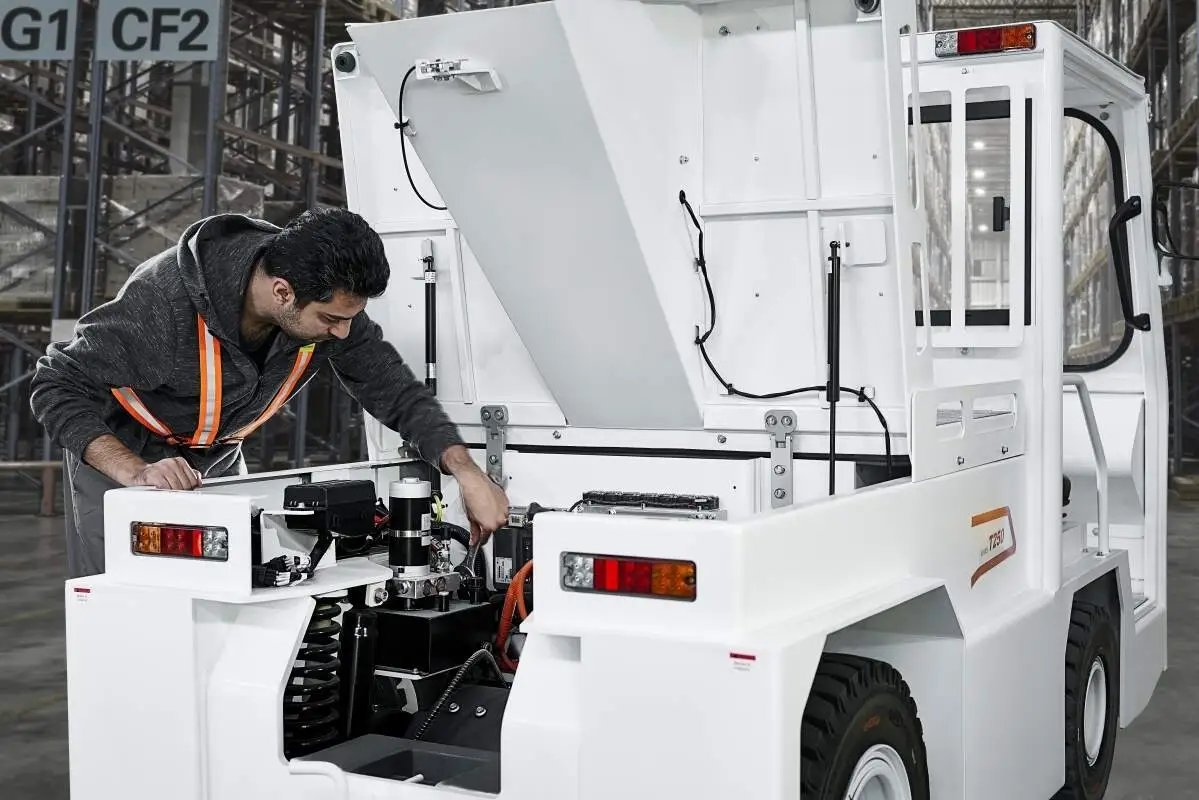
Cargo protection is a critical aspect of electric forklift operations, directly impacting operational efficiency and cost control. The load backrest, often overlooked, plays a pivotal role in preventing cargo from tipping backward or falling off during lifting, transporting, and maneuvering. This guidance aims to provide practical, compliance-aligned strategies for leveraging the load backrest to safeguard cargo effectively.
Understanding the Core Function of the Load Backrest
The load backrest is a structural component attached to the forklift’s carriage, designed to act as a physical barrier between the lifted cargo and the forklift’s mast. It primarily prevents unstable or improperly stacked cargo from sliding backward into the mast or operator compartment, mitigating risks of cargo damage, equipment malfunction, and workplace injuries. Unlike auxiliary attachments, it is an integral safety feature that should be utilized in every cargo-handling task involving stacked or bulky items.
Pre-Operation Inspection Protocols
Before initiating any cargo-handling task, a thorough inspection of the load backrest is essential to ensure its functionality. Start by checking for visible signs of damage, such as bent frames, cracked welds, or loose bolts, which could compromise its structural integrity. Verify that the backrest is properly aligned with the carriage and can be adjusted smoothly to match different cargo heights. If any defects are identified, discontinue use immediately and arrange for repairs to avoid potential hazards.
Correct Usage Procedures for Optimal Cargo Protection
When using the load backrest, follow these step-by-step practices:
1. Adjust the backrest height: Position the backrest so that it extends at least one-third above the highest point of the stacked cargo. This ensures full coverage and prevents smaller items from slipping over the top.
2. Secure cargo against the backrest: When loading, push the cargo firmly against the backrest to create a stable base. For irregularly shaped items, use appropriate strapping or bracing to keep them in contact with the backrest during transport.
3. Maintain safe operating speeds: Avoid sudden acceleration, braking, or sharp turns, as these movements can cause cargo to shift and potentially overcome the backrest’s barrier. Adhere to site-specific speed limits to minimize cargo displacement risks.
4. Avoid overloading: Ensure the total weight of the cargo does not exceed the forklift’s rated capacity, as overloading can strain the backrest and lead to structural failure or cargo tipping.
Regular Maintenance for Sustained Performance
To keep the load backrest in optimal condition, implement a routine maintenance schedule. Inspect welds and fasteners monthly to tighten any loose components and repair minor damage promptly. Clean the backrest regularly to remove dirt, debris, and corrosive substances that can accelerate wear. Additionally, lubricate adjustment mechanisms to ensure smooth height adjustments and prevent jamming during operation.
By following these guidelines, operators can significantly reduce the risk of cargo damage and enhance workplace safety. For professional guidance on electric forklift equipment and safety practices, contact Jianshu New Energy, a specialized supplier of BYD electric forklifts. Reach out via email at 17399989919@163.com for tailored support and expert advice to optimize your forklift operations.