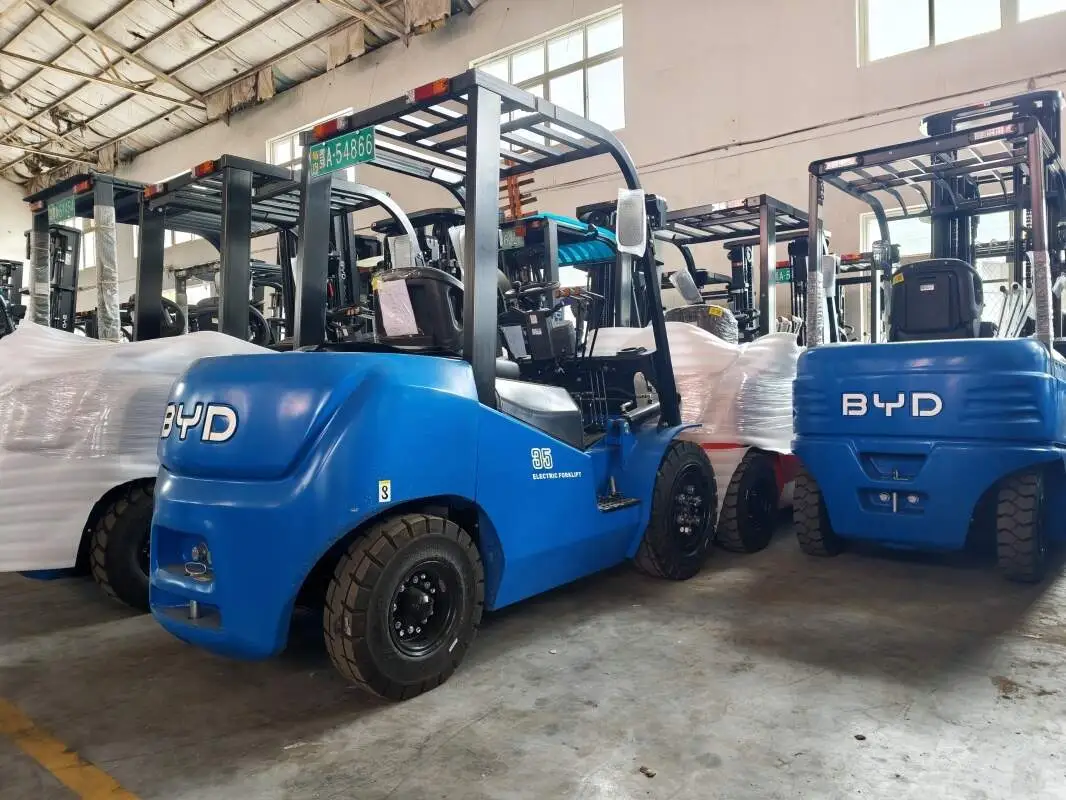
As industries increasingly adopt eco-friendly material handling solutions, electric forklift trailer rental has become a reliable option for transporting heavy equipment safely and efficiently. Whether moving machinery across a warehouse or between job sites, adhering to strict operational and safety guidelines is critical to prevent accidents, protect cargo, and ensure compliance with industry standards.
Pre-Transport Inspection
Before initiating any transport task, a comprehensive pre-use inspection is non-negotiable. Start with the electric forklift: check battery levels to ensure sufficient power for the entire journey, inspect brakes, steering mechanisms, and tire condition to confirm optimal functionality. For the trailer, verify that hitch connections are secure, tires are properly inflated, and brake systems are operational. Additionally, assess the equipment to be transported—check for loose parts, sharp edges, or fragile components that may require extra protection. Jianshu New Energy, a specialist in BYD electric forklifts, recommends conducting these inspections with a checklist to avoid overlooking any critical details.
Load Securement Best Practices
Properly securing equipment on the trailer is key to preventing shifting during transit, which can lead to accidents or damage. Begin by positioning the equipment centrally on the trailer to maintain balanced weight distribution, reducing strain on the forklift and trailer. Use appropriate tie-downs, such as heavy-duty straps or chains, and ensure they are fastened to secure anchor points on both the equipment and trailer. Avoid over-tightening straps, as this may damage delicate components, but ensure they are taut enough to prevent movement. For oversized or irregularly shaped equipment, consider using blocking and bracing to add extra stability.
Operational Safety Protocols
During the transport process, prioritize operator safety and proper forklift operation. Only allow certified operators to handle the electric forklift and trailer, as they possess the necessary training to navigate different terrains and handle heavy loads. Maintain a safe speed at all times, especially when turning or navigating uneven surfaces, and keep a safe distance from other vehicles or pedestrians. When loading and unloading, ensure the area is clear of obstacles and bystanders. Always engage the forklift’s parking brake when stationary, and never leave the vehicle unattended with the power on.
Route Planning & Environmental Considerations
Careful route planning can significantly reduce transport risks. Identify the most direct and safest route, avoiding narrow paths, steep inclines, or areas with low overhead clearance that could pose a hazard to the loaded equipment. Consider environmental factors such as weather conditions—avoid transporting equipment during heavy rain or strong winds, which can affect traction and cargo stability. Electric forklifts offer the advantage of zero emissions, making them ideal for indoor transport or areas with strict air quality regulations, a benefit that Jianshu New Energy emphasizes when assisting clients with rental solutions.
Post-Transport Procedures
Once the equipment reaches its destination, conduct a post-transport inspection to check for any damage incurred during transit. Inspect the forklift and trailer for signs of wear or damage, and recharge the forklift battery if necessary. Properly store the trailer and forklift in a secure, designated area to prevent unauthorized use. For ongoing support with electric forklift rental needs, you can reach out to Jianshu New Energy at 17399989919@163.com, where our team of experts can provide guidance on maintenance, operation, and rental options tailored to your specific requirements.