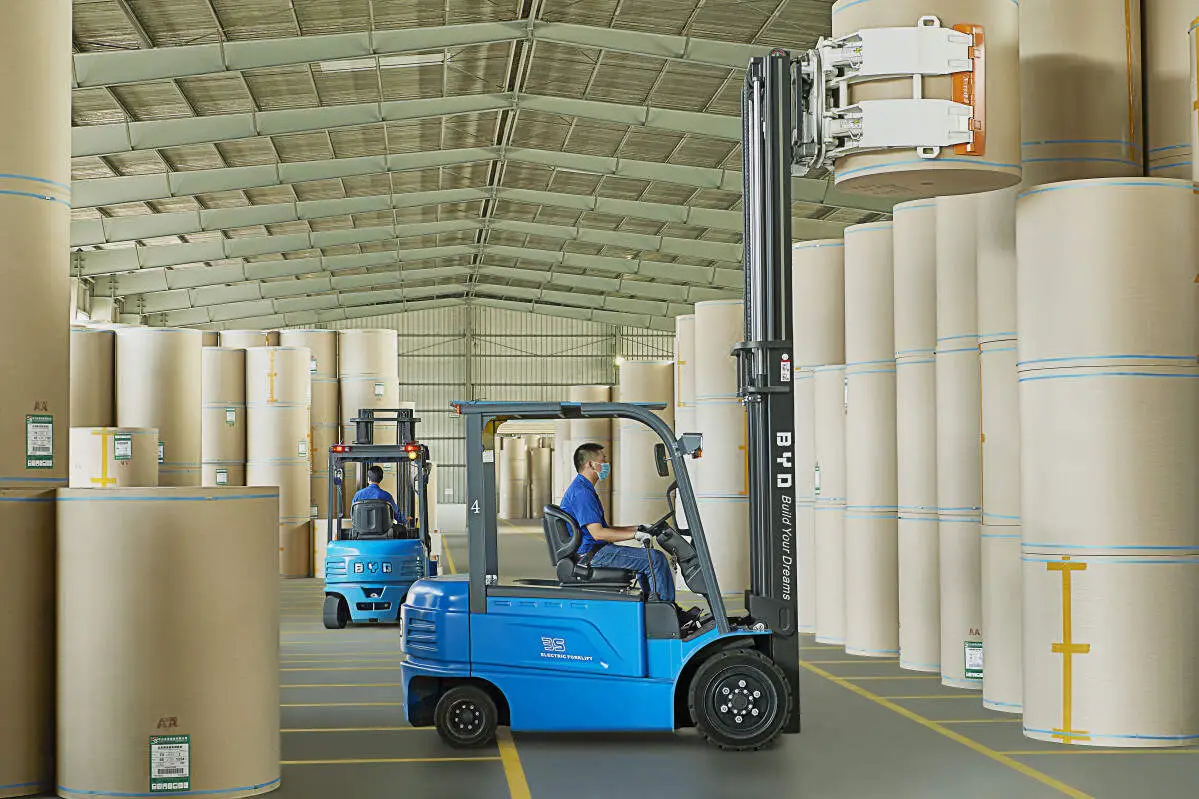
When investing in new forklift trucks, making a well-informed decision is critical to ensuring long-term operational efficiency and cost-effectiveness. Rather than focusing solely on upfront pricing, buyers need to evaluate a range of key factors that align with their specific work environment, tasks, and long-term goals.
One of the primary comparison points is load capacity. Every forklift is designed to handle a specific maximum weight, and it’s essential to choose a model that matches your typical lifting needs. Consider not just the average load you move daily, but also the heaviest items you might encounter occasionally. Opting for a forklift with a slight margin above your regular load requirement can prevent overstraining the equipment and extend its lifespan, while choosing an overly powerful model may lead to unnecessary energy waste and higher costs.
Lift height is another crucial factor to assess. If your operations involve stacking pallets on high shelves in a warehouse, you need a forklift with sufficient lift height to reach those upper levels. It’s important to account for the height of the pallets themselves, as well as any clearance needed to safely place and retrieve items. Forklifts with inadequate lift height will limit your storage capabilities, while models with excessive lift height may be less stable and more expensive.
The power source of the forklift also demands careful consideration. electric forklifts are ideal for indoor environments due to their zero emissions and low noise levels, making them suitable for warehouses with strict air quality requirements. They also tend to have lower maintenance costs compared to internal combustion models. On the other hand, internal combustion forklifts are better suited for outdoor or heavy-duty applications where extended runtime and quick refueling are necessary. Evaluate your work environment and fuel availability to determine which power source aligns best with your needs.
Maneuverability is often overlooked but plays a significant role in operational efficiency. In narrow warehouse aisles or tight loading docks, a forklift with a small turning radius can navigate more easily, reducing the risk of collisions with racks or other equipment and speeding up material handling tasks. Consider the width of your workspace and the layout of your facility when assessing maneuverability, as a less agile forklift can slow down daily operations and increase the potential for accidents.
Finally, long-term maintenance and operating costs should not be ignored. While a forklift may have a lower purchase price, high ongoing costs for fuel, replacement parts, or repairs can add up over time. Research the frequency of required maintenance, the availability of service providers in your area, and the expected lifespan of critical components like batteries or engines. Choosing a model with predictable and manageable maintenance needs can help you budget effectively and minimize downtime.
By taking these key comparison factors into account, you can select a new forklift truck that not only meets your immediate operational needs but also provides lasting value and reliability for your business.