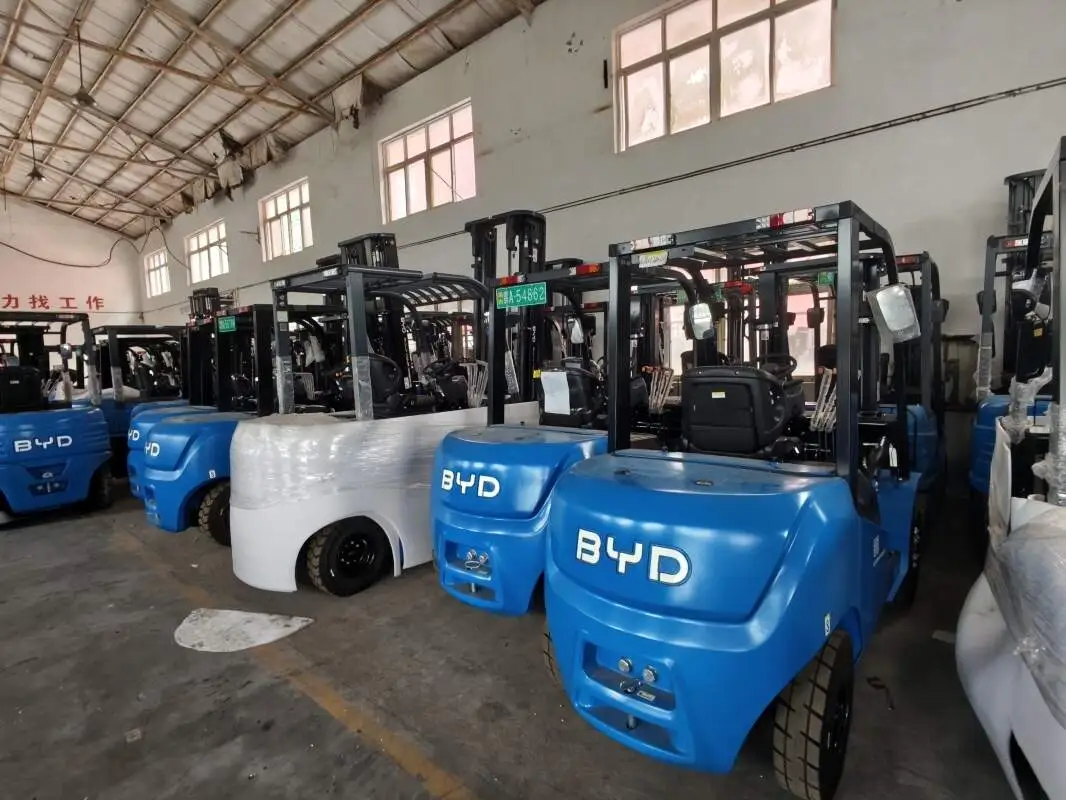
Stacking operations are a common yet high-risk task in warehouse and logistics settings when using electric forklifts. Cargo falling during these operations not only leads to damaged goods and financial losses but also poses serious safety threats to operators and nearby personnel. Implementing targeted preventive measures is essential to mitigate these risks and ensure smooth, secure stacking processes.
First, conduct thorough pre-stacking cargo inspection. Before loading any cargo onto the forklift, operators should carefully examine the goods to check for damaged packaging, loose components, or uneven weight distribution. Cargo with compromised integrity is more likely to shift or fall during lifting and stacking. For irregularly shaped items, ensure they are properly secured with appropriate strapping or wrapping to maintain stability throughout the operation.
Second, adopt proper cargo stacking techniques. When placing cargo on pallets or storage racks, distribute the weight evenly to avoid overloading one side of the forklift’s forks. Align the cargo neatly, ensuring each layer sits flush with the one below to prevent gaps that could cause instability. For taller stacks, consider using interlocking stacking methods or adding stabilizing devices to keep the cargo from toppling over. Avoid stacking goods beyond the recommended height limits specified for both the forklift and the storage structure.
Third, follow precise forklift operation practices. Operators should maintain a slow, steady speed when transporting cargo, especially when turning or navigating narrow spaces. Avoid sudden acceleration or braking, which can cause cargo to shift. When lifting cargo, ensure the forks are fully inserted under the pallet and the cargo is lifted to the minimum height necessary for stacking. Always keep a clear line of sight; if cargo blocks visibility, use a spotter or adjust the stacking approach to maintain awareness of the surrounding area.
Fourth, prioritize regular forklift maintenance. A well-maintained electric forklift is critical for safe stacking operations. Schedule routine inspections to check the condition of the forks, hydraulic lifting system, tires, and stability controls. Ensure the forks are not bent or worn, as this can affect their ability to support cargo evenly. Replace worn-out components promptly and keep the forklift’s lifting mechanisms properly lubricated to ensure smooth, controlled movements during stacking.
Fifth, provide continuous operator training and education. Proper training ensures that operators understand the importance of safety protocols and how to execute stacking operations correctly. Training should cover cargo handling best practices, forklift operation fundamentals, emergency response procedures in case of a potential cargo fall, and adherence to workplace safety regulations. Regular refresher courses can help reinforce these skills and keep operators updated on new safety guidelines.
By implementing these comprehensive measures, warehouses and logistics facilities can significantly reduce the risk of cargo falling during electric forklift stacking operations. This not only protects valuable inventory and equipment but also creates a safer working environment for all personnel involved in these tasks.