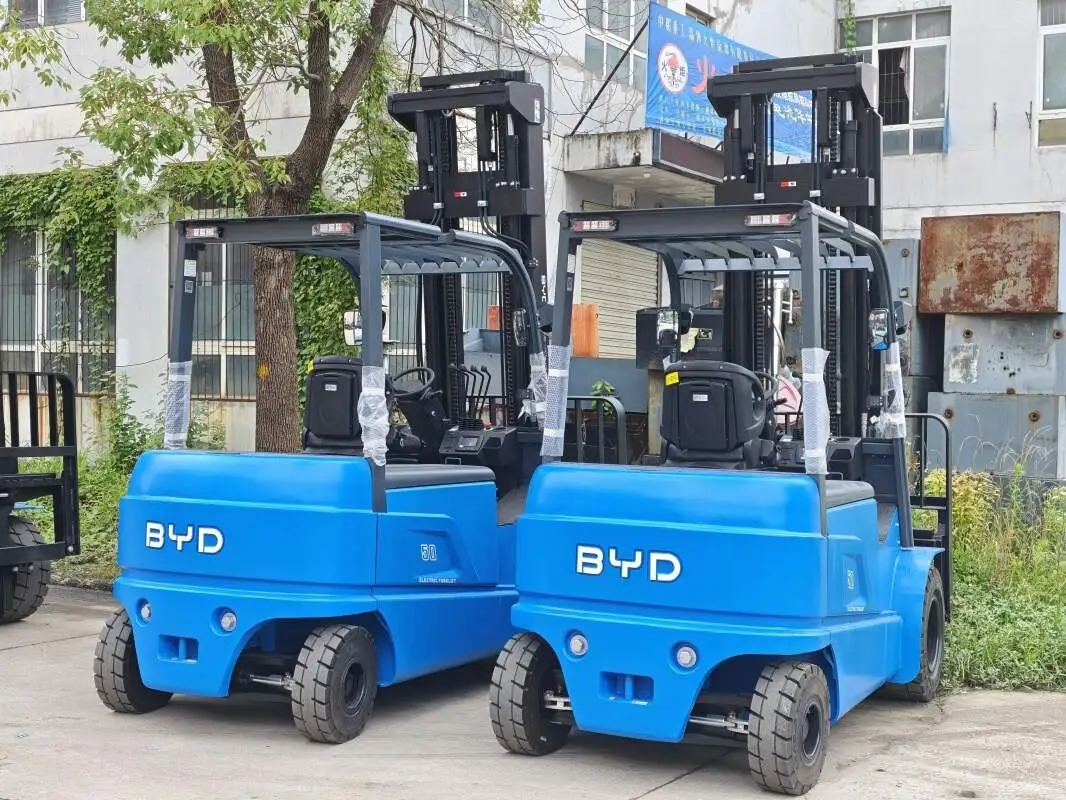
Regular maintenance is critical to keeping electric forklifts operating safely, efficiently, and extending their overall service life. A structured checklist ensures no essential tasks are overlooked, reducing unexpected breakdowns and costly repairs. Below is a detailed, tiered maintenance checklist tailored to electric forklifts, organized by frequency to simplify implementation.
Daily Pre-Operation Inspection
Before each shift, operators should perform a visual and functional check to catch immediate issues. Start with the battery: inspect for signs of corrosion on terminals, ensure the electrolyte level is within recommended ranges (for flooded batteries), and confirm the charging cable is free of frays or damage. Next, examine the tires—check for uneven wear, cuts, or embedded debris, and verify proper inflation pressure to maintain stability. Test the brake system by engaging the parking brake and applying foot brakes to ensure responsive stopping. Finally, inspect the control panel for error codes, and confirm all lights (headlights, taillights, turn signals) are working correctly to support safe operation in all environments.
Weekly Maintenance Tasks
At the end of each week, dedicated maintenance staff should conduct a deeper inspection. Focus on the hydraulic system: check for leaks around hoses, fittings, and cylinders, and verify the hydraulic fluid level is within the designated range. Inspect the mast chains for signs of wear, stretching, or rust, and ensure they are properly lubricated to prevent friction. Clean the forklift’s exterior and interior, including the operator’s cabin, to remove dust, dirt, and debris that could interfere with moving parts or electrical components. Additionally, test the horn, backup alarm, and seatbelt to ensure all safety features are fully functional.
Monthly Maintenance Checks
Once a month, perform more detailed component checks to address potential long-term issues. Inspect the electric motor and drive system for unusual noises or vibrations, which could indicate bearing wear or alignment problems. Check the battery’s charging system to ensure it’s delivering the correct voltage and charging cycle; clean any accumulated dust from the charger to maintain efficiency. Examine the mast and carriage for signs of bent frames or loose bolts, and tighten any fasteners as needed. Lubricate all pivot points, including mast hinges and steering components, to reduce wear and ensure smooth movement.
Quarterly Preventive Maintenance
Every three months, conduct a comprehensive inspection to identify hidden issues. Drain and replace the hydraulic fluid if it appears contaminated or has exceeded its recommended service life. Inspect the cooling system (if equipped) for clogs or leaks, and clean the radiator to ensure proper heat dissipation. Test the forklift’s load capacity by lifting a rated load to check for any unusual sagging or instability in the mast. Examine all electrical wiring for fraying, loose connections, or corrosion, and repair or replace damaged components promptly.
Consistently following this checklist and documenting all maintenance tasks helps track the forklift’s condition over time. Addressing minor issues promptly prevents them from escalating into major breakdowns, ultimately prolonging the equipment’s service life and reducing operational costs. Regular training for operators and maintenance staff ensures everyone understands the importance of these tasks and can execute them correctly, keeping electric forklifts running reliably for years to come.