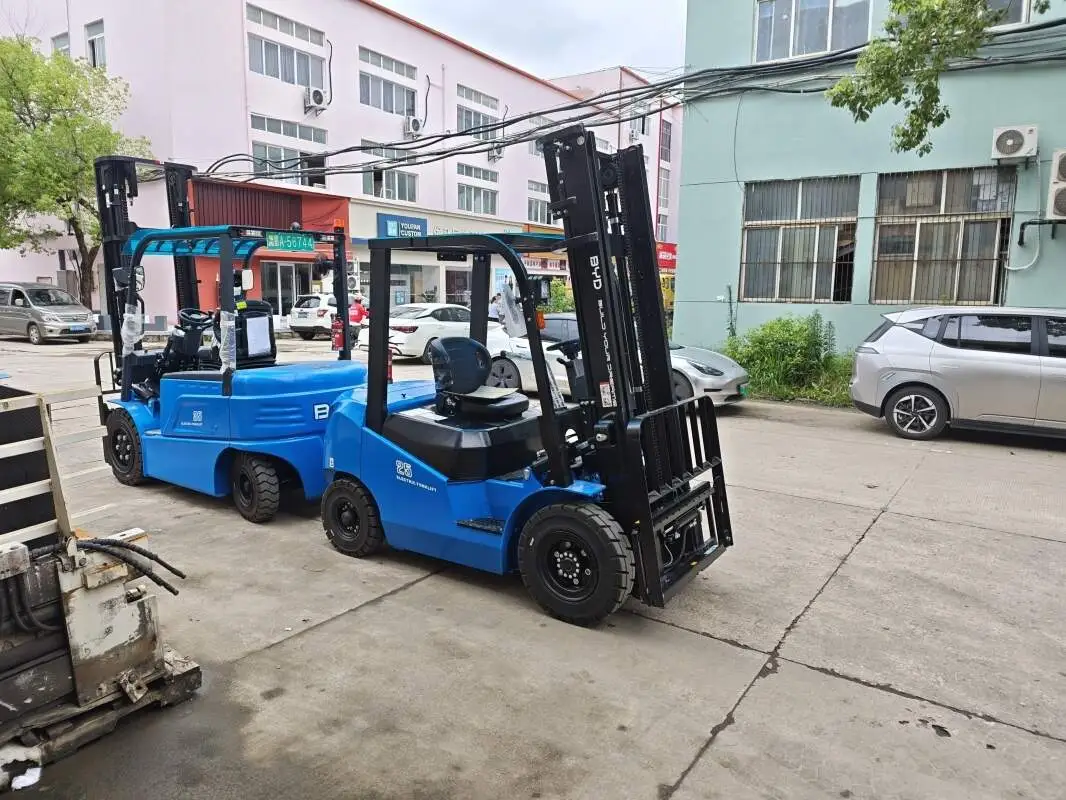
Industrial forklift tines are critical components that bear heavy loads during daily operations, so the materials used in their manufacturing directly influence performance, safety, and longevity. Choosing the right material depends on factors like load capacity, operating environment, and intended application. Let’s delve into the primary materials employed for crafting industrial forklift tines.
Carbon steel is one of the most commonly used materials for forklift tines. It offers a balanced combination of affordability and decent strength, making it suitable for light to medium-duty applications. Low-carbon steel, with a carbon content below 0.25%, is easy to form and weld, but may lack the tensile strength needed for heavy loads. Medium-carbon steel (0.25% to 0.60% carbon) provides enhanced strength and hardness, making it a preferred choice for standard forklift models handling moderate weights. However, carbon steel is prone to corrosion in damp or acidic environments, requiring regular maintenance to prevent rust.
High-strength steel is engineered to deliver exceptional tensile strength while maintaining a relatively light weight, making it ideal for heavy-duty forklift operations. This material typically has a higher carbon content and may incorporate trace elements like manganese to boost its mechanical properties. High-strength steel tines can withstand heavier loads without bending or breaking, improving operational efficiency and safety in warehouses, construction sites, and industrial facilities. Its resistance to deformation also extends the lifespan of the tines, reducing replacement costs over time.
Alloy steel is created by adding alloying elements such as chromium, nickel, or molybdenum to carbon steel, enhancing specific properties like corrosion resistance, toughness, and high-temperature stability. Forklift tines made from alloy steel are well-suited for harsh operating conditions, including exposure to chemicals, extreme temperatures, or abrasive materials. The alloying elements help prevent rust and wear, ensuring the tines remain durable even in challenging environments. While alloy steel tends to be more expensive than carbon steel, its long-term performance benefits often justify the investment for specialized applications.
Beyond material selection, heat treatment plays a crucial role in optimizing forklift tine performance. Processes like quenching and tempering are used to increase hardness and toughness, reducing the risk of brittleness under heavy loads. Some manufacturers also apply protective coatings, such as paint or galvanization, to further enhance corrosion resistance, especially for tines used outdoors or in humid settings. Understanding how material properties interact with these processes helps in selecting the most appropriate tines for specific operational needs.
In conclusion, the choice of material for industrial forklift tines is a critical decision that impacts safety, durability, and operational efficiency. Carbon steel offers cost-effectiveness for light to medium use, high-strength steel excels in heavy-duty applications, and alloy steel provides superior performance in harsh environments. By evaluating load requirements and operating conditions, businesses can select the right material to ensure their forklift tines deliver reliable service over time.