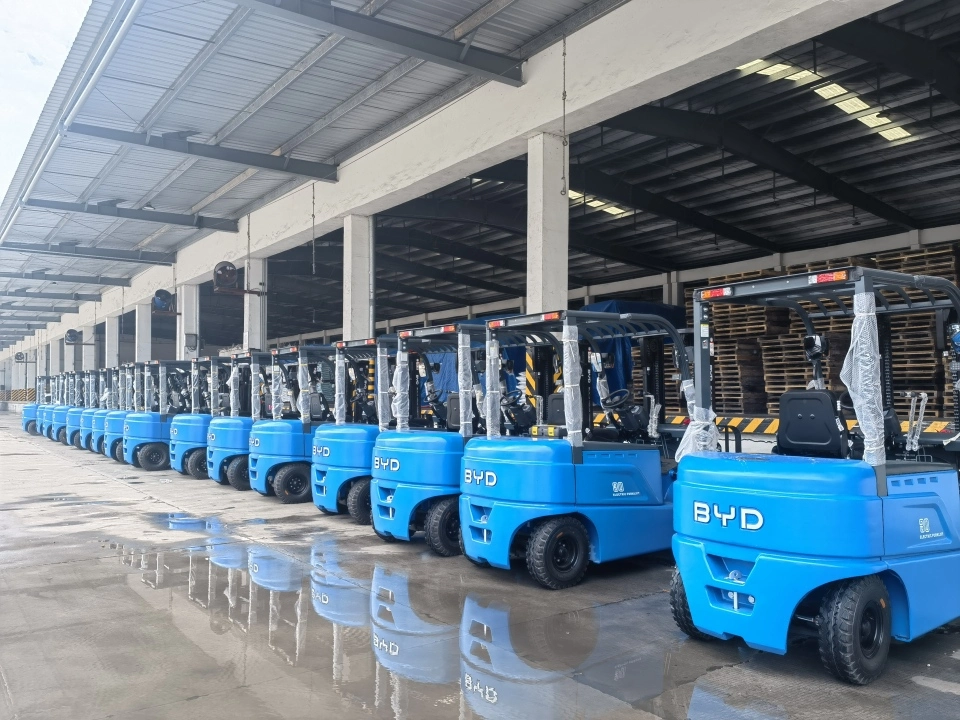
electric forklift batteries are the backbone of efficient material handling operations, as their performance directly impacts productivity, safety, and operational costs. Neglecting regular cleaning and maintenance can lead to shortened lifespan, reduced efficiency, and even safety hazards. Below are key guidelines to keep your electric forklift batteries in optimal condition.
Safe Cleaning Practices
Before starting any cleaning task, ensure the forklift is turned off and the battery is disconnected to avoid electric shocks. Wear protective gear such as gloves and safety goggles to shield against corrosive materials. For the battery exterior, use a mild, non-abrasive detergent mixed with warm water to wipe away dirt, dust, and spills. Avoid using high-pressure water, as it can seep into the battery components and cause damage. For corroded terminals, create a solution of baking soda and water, apply it to the terminals with a soft brush, and scrub gently to remove buildup. Rinse with clean water and dry thoroughly to prevent further corrosion. Apply a thin layer of petroleum jelly to the terminals after cleaning to protect them from future rust and corrosion.
Routine Maintenance Checks
Perform daily visual inspections to identify signs of damage, such as cracks in the battery casing, loose cables, or leaking electrolyte. Check the electrolyte level regularly (for flooded lead-acid batteries) and top up with distilled water only—never use tap water, as minerals can harm the battery. Ensure the level stays just above the plates but does not overflow. Inspect cable connections to ensure they are tight and secure; loose connections can cause voltage drops and reduce battery efficiency. Keep track of battery performance metrics, such as charging time and runtime, to detect any gradual declines that may indicate underlying issues.
Optimal Charging Practices
Follow the recommended charging cycle to avoid overcharging or undercharging, both of which can shorten battery lifespan. Charge the battery in a well-ventilated area to prevent the buildup of flammable gases. Avoid charging the battery immediately after heavy use; allow it to cool down first to prevent overheating. Do not leave the battery connected to the charger indefinitely once it is fully charged. Regularly clean the charging connectors to remove dirt and corrosion, which can interfere with the charging process.
Proper Storage Guidelines
If the forklift will be out of use for an extended period, fully charge the battery before storing it. Store the battery in a cool, dry area away from direct sunlight and extreme temperatures, as both hot and cold environments can damage battery cells. Check the battery charge level every few weeks and recharge it if necessary to maintain a full charge. Avoid storing the battery on concrete floors directly; use a wooden or plastic pallet to insulate it from moisture.
By following these cleaning and maintenance tips, you can significantly extend the lifespan of your electric forklift batteries, improve operational efficiency, and reduce the risk of unexpected breakdowns. Consistent care not only protects your investment but also ensures a safe working environment for all personnel.