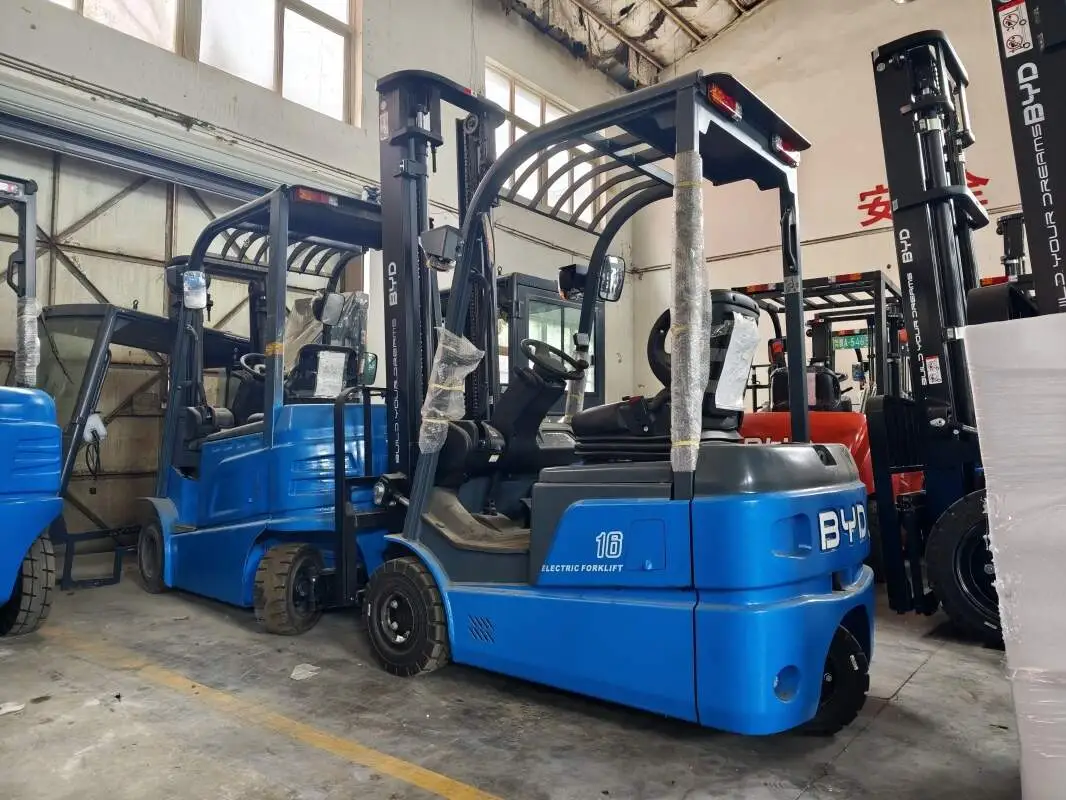
Super sacks, also known as bulk bags, are widely used in industries like agriculture, construction, and manufacturing to transport large quantities of materials such as grains, chemicals, and construction aggregates. When paired with forklift attachments, these sacks can be moved efficiently, but proper operation is critical to prevent accidents, damage to goods, and workplace injuries.
Pre-Operation Safety Checks
Before starting any transport task, conduct a thorough inspection of both the forklift and the super sack. First, verify that the forklift’s brakes, hydraulic system, and controls are in good working condition. Check for any leaks, worn parts, or warning lights that may indicate a problem. Next, inspect the super sack: look for tears, fraying, or damaged stitching that could compromise its integrity during transport. Confirm that the sack’s weight is within the combined rated capacity of the forklift and its attachment, as overloading can lead to instability and equipment failure. Also, ensure the sack is properly filled and secured to avoid shifting during movement.
Selecting and Attaching the Right Forklift Attachment
Choosing the appropriate attachment is key to safe and efficient super sack transport. Common options include fork pocket attachments, which slide into the reinforced pockets on the sack, cradle attachments that support the entire base of the sack, and clamp attachments that grip the sides of the sack. Select an attachment based on the sack’s design and the type of material being transported. Once selected, follow the manufacturer’s instructions to attach the attachment to the forklift. Ensure all locking mechanisms are engaged and double-check that the attachment is securely fastened before attempting to lift any load.
Proper Load Handling Techniques
When approaching the super sack, position the forklift directly in front of the load to maintain balance. Adjust the attachment to fit the sack’s dimensions: for fork pocket attachments, align the forks with the pockets and slide them in until they are fully seated. For cradle or clamp attachments, ensure the entire sack is supported evenly. Lift the sack slowly and steadily, keeping it close to the ground until you reach the desired height. Avoid sudden movements or jerks, as these can cause the sack to shift or tip. Maintain a low center of gravity by keeping the load as close to the forklift’s mast as possible during transport.
Transport and Maneuvering Best Practices
During transport, drive at a safe speed that matches the workplace environment and the weight of the load. Slow down when turning, navigating narrow spaces, or approaching intersections to prevent the load from swinging. Keep a safe distance from other vehicles, equipment, and pedestrians to avoid collisions. If visibility is limited, use a spotter to guide you. Avoid driving over uneven surfaces or obstacles that could cause the forklift to tip or the sack to fall. If you need to stop, do so gradually to prevent the load from shifting forward.
Post-Transport Procedures
Once you reach the destination, lower the super sack slowly and evenly onto a stable, level surface. Ensure the sack is positioned correctly before releasing the attachment. After unloading, inspect the attachment for any damage or wear, and clean it if necessary to remove any residual material. Perform a final check of the forklift to ensure it is in good condition for future use. Document any issues or concerns encountered during the transport task to help improve safety protocols moving forward.
By following these operation methods, you can ensure that super sacks are transported safely and efficiently, reducing the risk of accidents and maximizing workplace productivity. Always prioritize safety and adhere to workplace guidelines and equipment instructions to maintain a secure working environment.