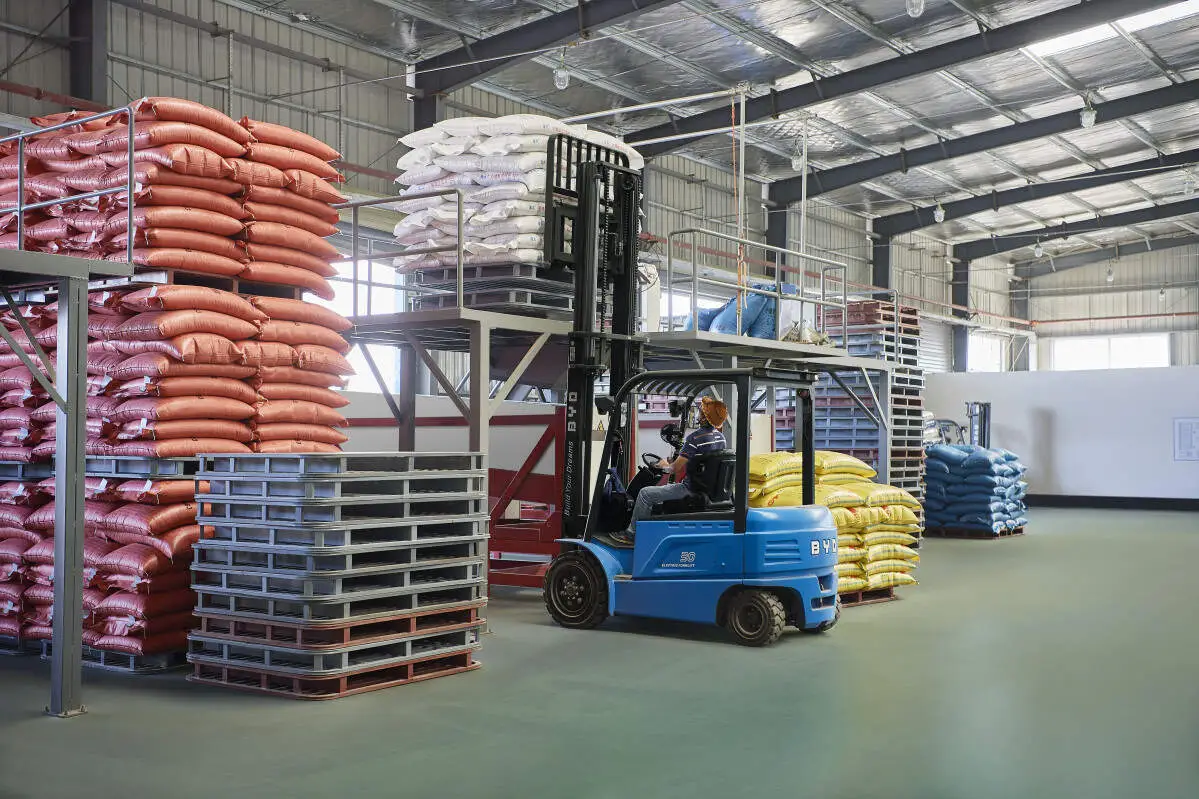
Understanding forklift load center calculation is a foundational requirement for safe, compliant material handling across warehouse, logistics, and manufacturing sites. At its core, the load center refers to the horizontal distance from the vertical face of forklift forks to the center of gravity of a carried load. Standard rated load capacity is calculated based on a widely accepted default load center, applicable to uniform, evenly distributed loads with consistent weight placement.
The core calculation principle rests on leverage rules, linking load position, weight, and the truck’s stability threshold. When a load’s actual center of gravity matches the rated load center, the forklift can safely carry the weight marked on its capacity plate. If the load center shifts further from the fork face - such as when carrying long, irregular loads, or when a load is not set against the fork backrest - safe capacity decreases proportionally. These checks help prevent stability risks during routine lifting.