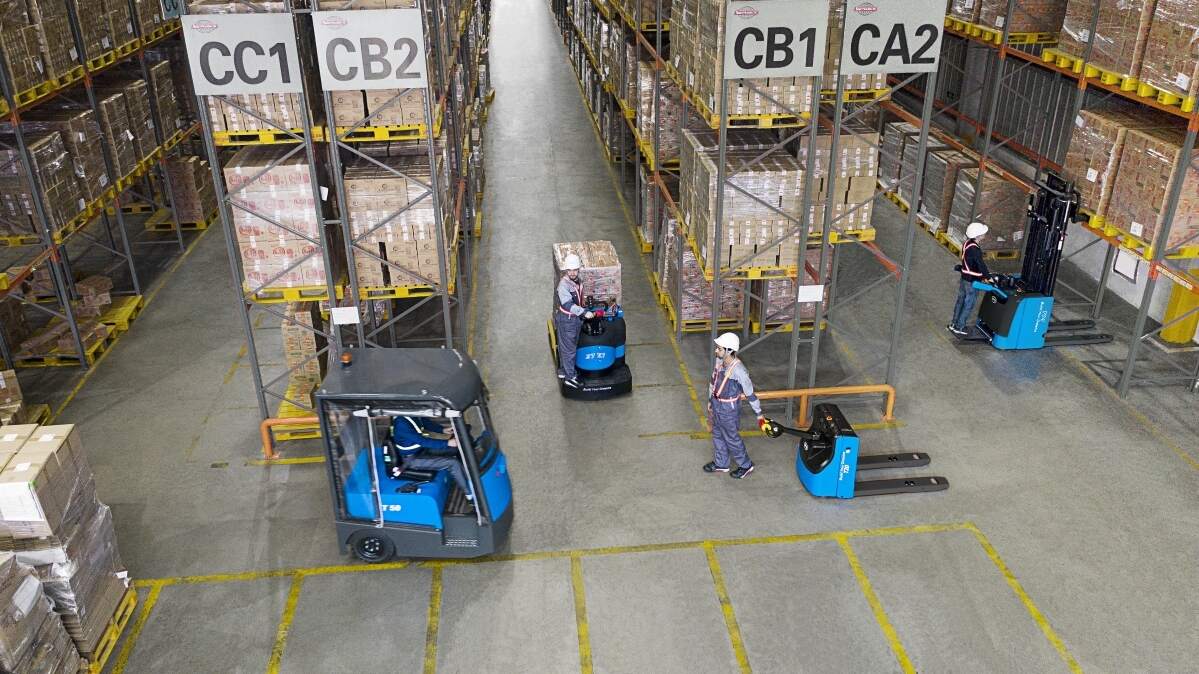
Warehouses rely heavily on electric forklifts to streamline material handling, but their daily operation carries inherent risks that demand strict safety adherence. Without consistent adherence to practical safety rules, warehouses face increased risks of operator injuries, property damage, and operational delays. Below are essential, compliant safety rules tailored for daily electric forklift operations to foster a secure and efficient work environment.
First, prioritize operator qualifications and ongoing training. Only properly trained and certified operators should be permitted to operate electric forklifts. Certification must cover not just basic operation, but also load handling, emergency procedures, and awareness of warehouse hazards. Regular refreshers (at least annually) ensure operators stay updated on evolving safety standards and equipment changes. Operators must also be physically fit, free from impairments that could affect their judgment or reaction time, such as fatigue or substance use.
Second, conduct thorough pre-operation inspections. Before starting any shift, operators must inspect key components of the electric forklift. This includes checking battery charge levels, brake functionality, steering responsiveness, tire condition, and the integrity of forks and load backrests. Any defects or abnormalities—such as leaking fluids or faulty lights—must be reported immediately, and the forklift taken out of service until repairs are completed. Skipping these inspections can lead to unexpected malfunctions during operation, putting both the operator and nearby personnel at risk.
Third, follow safe operational practices during daily use. Operators must adhere to zone-specific speed limits, maintaining slower speeds in narrow aisles or high-traffic pedestrian areas. Maintaining a clear line of sight is critical; if the load obstructs forward vision, operators should travel in reverse, using spotters when necessary. Sudden starts, stops, or turns should be avoided, as they can cause loads to shift or the forklift to tip. Operators should never leave the forklift unattended with the key in the ignition or forks raised, as this poses risks of unauthorized use or accidental movement.
Fourth, implement proper load management. Operators must ensure loads are evenly distributed, secured, and within the forklift’s rated capacity. Overloading is a leading cause of tip-overs, one of the most dangerous forklift-related incidents. When lifting loads, raise them only as high as needed to clear the floor, and lower them during travel across the warehouse. Avoiding sudden elevation changes or driving over uneven surfaces with raised loads further reduces tip-over risks.
Fifth, maintain warehouse environment awareness. Operators must stay vigilant of their surroundings at all times, watching for pedestrian traffic and adhering to designated forklift lanes. Respecting safety signage such as speed limits or no-entry zones is essential. Warehouses should keep aisles clear of clutter to prevent collisions or obstructions, and operators should ensure forklift lights function properly in low-light areas to enhance visibility for everyone.
Finally, be prepared with emergency procedures. All operators should be trained to respond to incidents like tip-overs, fires, or battery-related issues. In the event of a tip-over, operators should stay inside the forklift and hold the steering wheel, rather than jumping out, to avoid serious injury. Warehouses should have accessible fire extinguishers and first-aid kits near forklift zones, and operators must know their locations and proper usage.
By integrating these practical safety rules into daily operations, warehouses can significantly reduce accident risks, protect personnel, and maintain smooth workflows. Consistent enforcement, regular training, and a culture of safety are key to ensuring these rules are followed diligently, creating a secure environment for all warehouse staff.