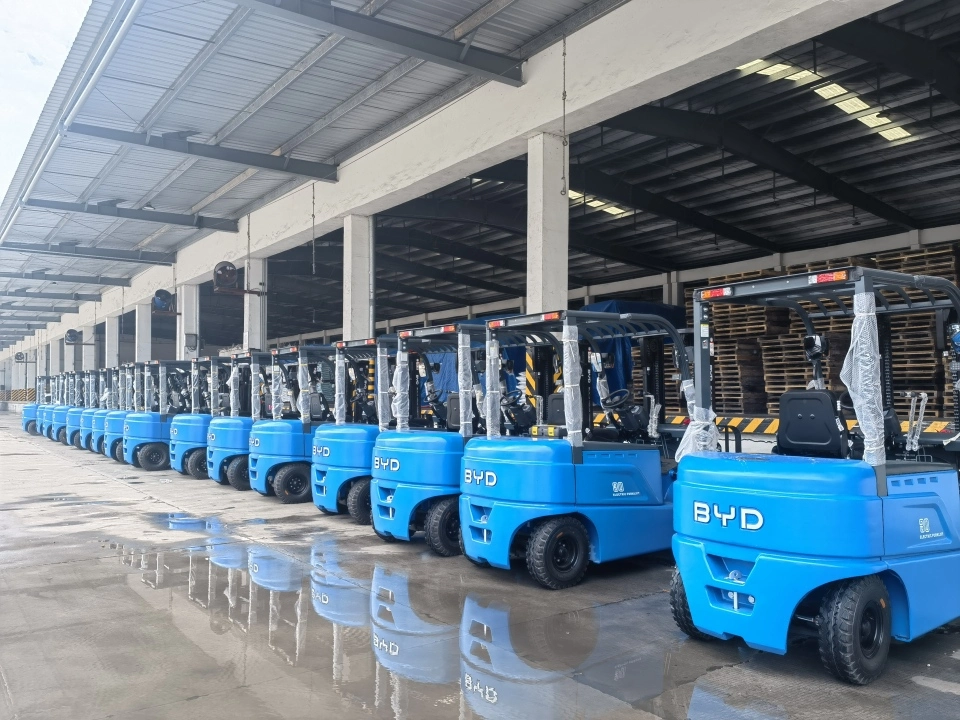
Renting large capacity forklift equipment is a practical solution for businesses facing short-term heavy lifting needs, such as warehouse expansions, construction projects, or seasonal inventory management. Unlike purchasing, renting eliminates upfront costs and the burden of long-term maintenance, making it a cost-effective choice for many industrial operations. However, selecting the right rental option requires careful consideration to ensure safety, efficiency, and value for your investment. Below are key reference tips to guide you through the process.
Assess Your Operational Needs First. Before contacting rental providers, take time to define your specific requirements. Start by determining the maximum load capacity you need—this depends on the weight of the materials you’ll be handling, whether it’s pallets of heavy machinery, construction materials, or bulk inventory. Next, consider the operating environment: will the forklift be used indoors on smooth warehouse floors, outdoors on rough terrain, or in narrow spaces that require maneuverability? Additionally, factor in the duration of the rental; short-term projects may benefit from flexible daily or weekly rates, while longer-term needs could qualify for discounted monthly plans. By clarifying these details, you can narrow down your options and avoid renting equipment that doesn’t align with your tasks.
Verify Safety and Compliance Standards. Safety should be a top priority when renting large capacity forklifts. Ensure the equipment meets local industrial safety regulations and has passed recent inspections. Ask the rental provider for documentation of routine maintenance, including brake checks, hydraulic system inspections, and tire condition assessments. It’s also important to confirm that the forklift is equipped with essential safety features, such as seat belts, overhead guards, and backup alarms. If your team lacks experience operating heavy-duty forklifts, inquire about training programs offered by the rental provider to ensure your staff can operate the equipment safely and confidently.
Evaluate Rental Terms and Conditions. Carefully review the rental agreement to understand all terms and costs. Pay attention to details like rental duration, late return fees, and damage policies. Some providers may include maintenance and repair services in the rental rate, while others charge extra for any issues that arise during the rental period. It’s also wise to clarify who is responsible for insurance coverage—whether it’s included in the rental cost or if you need to obtain additional coverage. Comparing quotes from multiple providers can help you find competitive rates, but don’t prioritize cost alone; balance affordability with the quality and reliability of the equipment and services offered.
Consider Post-Rental Support and Flexibility. A reliable rental provider should offer ongoing support throughout your rental period. Ask about their response time for emergency repairs or maintenance issues, as downtime can disrupt your operations significantly. Additionally, check if they offer flexible rental adjustments—for example, extending the rental period if your project takes longer than expected, or switching to a different forklift model if your needs change unexpectedly. Choosing a provider with strong customer support ensures that you have assistance when you need it, minimizing potential delays and maximizing operational efficiency.
By following these reference tips, you can make an informed decision when renting large capacity forklift equipment. Taking the time to assess your needs, verify safety standards, review rental terms, and evaluate support services will help you select the right equipment for your operations, ensuring a smooth and productive rental experience. Whether you’re managing a small warehouse project or a large construction site, the right forklift rental can enhance efficiency and safety while keeping costs under control.