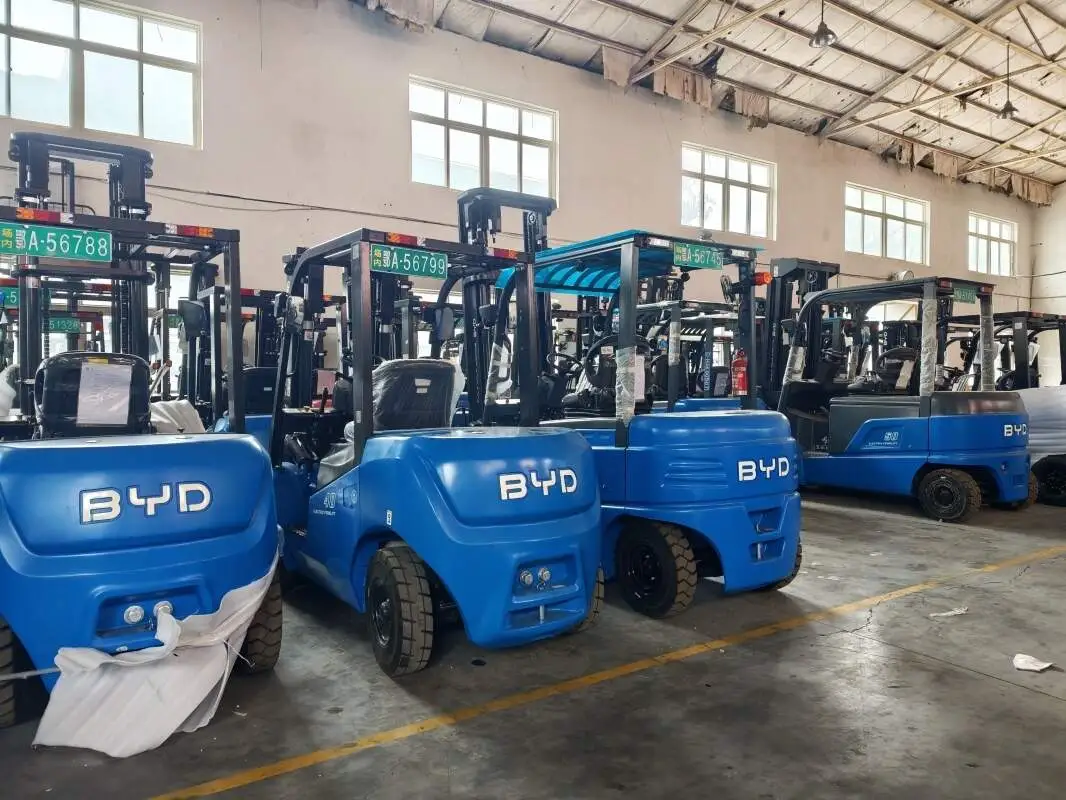
Solid tires are a critical component for electric forklifts, directly impacting safety, efficiency, and operational costs across both indoor and outdoor settings. Choosing the right type requires careful consideration of surface conditions, load requirements, and daily usage patterns.
For indoor operations such as warehouses and distribution centers, the primary priorities are low noise, minimal floor damage, and smooth maneuverability. Solid tires crafted from a softer rubber compound are ideal here—they absorb vibrations, reduce noise levels to align with indoor workplace standards, and minimize scuffing on polished concrete or epoxy floors. Additionally, tires with a fine, non-marking tread pattern offer stable traction without leaving unsightly marks, ensuring safe navigation around narrow aisles and stacked inventory. It’s also vital to select tires that match the forklift’s rated load capacity to prevent premature wear and maintain consistent performance during frequent loading and unloading tasks.
In outdoor environments like construction sites, lumber yards, or shipping docks, solid tires must withstand rough, uneven terrain, debris, and varying weather conditions. A harder rubber compound is essential for resisting cuts, punctures, and abrasion from gravel, sharp objects, and heavy-duty use. Tires with a deeper, aggressive tread pattern provide enhanced traction on wet, muddy, or loose surfaces, reducing the risk of skidding and improving overall stability. Outdoor solid tires should also have robust load-bearing capabilities to handle heavy loads over longer distances, along with resistance to UV rays and temperature fluctuations to prevent cracking and degradation over time.
Regardless of the setting, regular inspection and proactive maintenance are key to extending tire lifespan. Checking for signs of uneven wear, cracks, or damage, and ensuring alignment with the forklift’s manufacturer guidelines for tire compatibility, can prevent unexpected breakdowns and reduce long-term replacement costs. By tailoring your tire selection to the specific demands of each work environment, you can optimize forklift performance, enhance operator safety, and lower operational expenses. Taking the time to evaluate rubber compounds, tread designs, and load ratings will ensure your electric forklift operates reliably and efficiently, whether indoors or out.