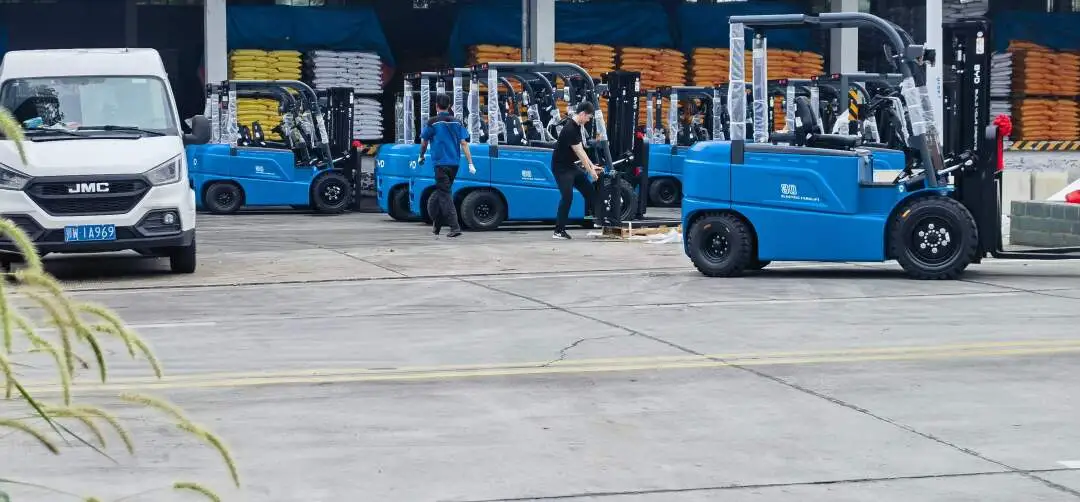
In busy warehouse and distribution environments, electric forklifts are indispensable for streamlining material handling operations. However, even top-performing electric forklifts can fail to reach their full potential without a well-structured load-handling sequence. Optimizing this sequence is a cost-effective approach to enhance productivity, cut energy consumption, and minimize operational delays.
Prioritize route planning before each shift to lay a foundation for efficiency. Map out the shortest paths between storage zones and loading docks, avoiding high-traffic areas and grouping tasks that involve movement between adjacent locations. Reducing unnecessary travel not only cuts down on idle time but also extends the forklift’s battery life, allowing operators to complete more tasks per shift without interruptions.
Categorize loads based on their frequency of use and accessibility to streamline retrieval. Store high-frequency items in easily reachable ground-level spots or near loading docks, as these require the least time to access. Medium and low-frequency loads can be placed in upper storage racks, where they take up less critical space and don’t hinder daily operations. This classification ensures that the most frequently handled loads demand minimal movement, directly boosting overall operational efficiency.
Sequence tasks strategically to minimize battery drain, a key concern for electric forklifts. Start with heavy-load tasks when the battery is fully charged, as these consume more power. Reserve lighter tasks or short-distance movements for later in the shift when battery levels are lower. Additionally, avoid prolonged idling; turn off the forklift’s power when it’s not in use to conserve energy and extend battery lifespan.
Embrace real-time adjustments to adapt to dynamic warehouse conditions. Unexpected changes like urgent orders or equipment issues can disrupt planned sequences. Train operators to re-prioritize tasks quickly—for example, shifting focus to an urgent delivery request to meet deadlines without derailing the entire workflow. Simple communication tools or basic warehouse management systems can help operators stay informed and make agile decisions.
Invest in regular operator training to ensure optimal execution of load-handling sequences. Training sessions should cover efficient load-handling techniques, route optimization strategies, and battery management best practices. Skilled operators can identify inefficiencies in existing sequences and suggest improvements, driving continuous productivity gains over time.
By implementing these practical tips, warehouse managers can significantly improve electric forklift productivity while reducing operational costs. At Jianshu New Energy, we specialize in BYD electric forklifts, engineered to support efficient, reliable material handling operations. If you need guidance on optimizing your forklift workflows or want to explore our electric forklift solutions, don’t hesitate to reach out to us at 17399989919@163.com.