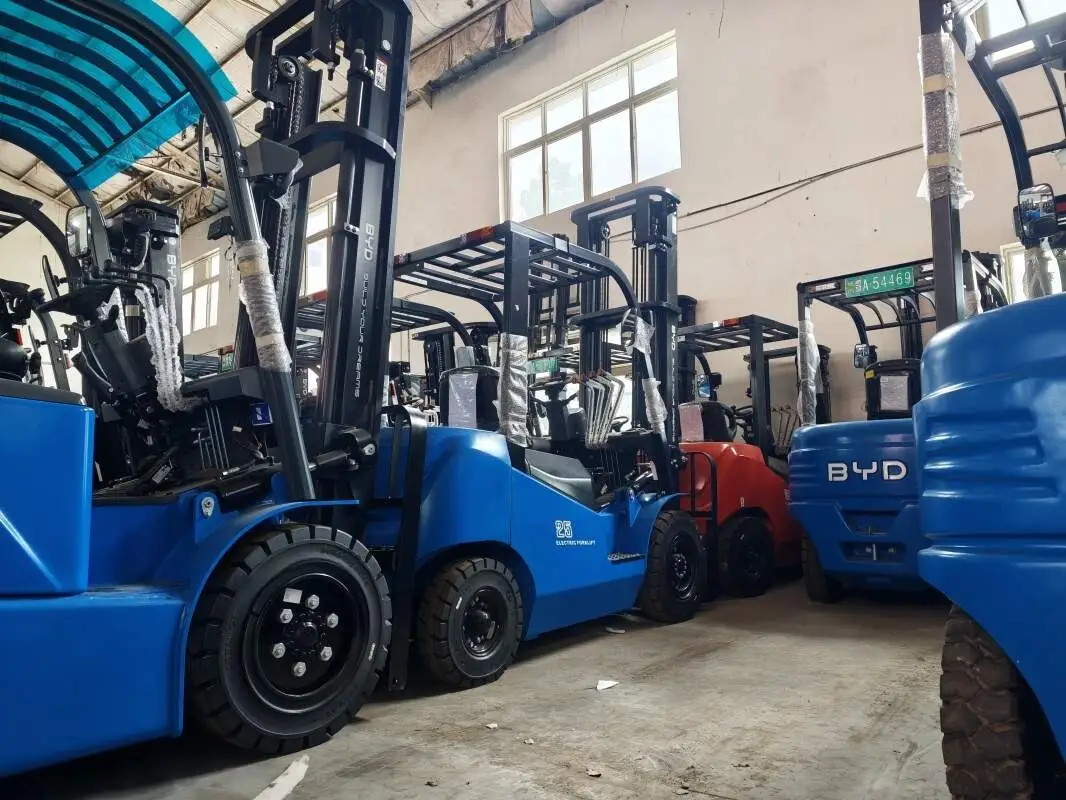
As the demand for sustainable material handling solutions grows, electric forklifts have emerged as a reliable alternative to traditional fuel-powered models. However, introducing new electric forklift units is not a one-size-fits-all process. To ensure optimal performance, safety, and return on investment, it is critical to fully understand site-specific requirements before making a purchase or deployment decision.
First and foremost, evaluate the physical layout and space constraints of your operating environment. Warehouse aisles, door widths, turning radii, and ceiling heights all play a pivotal role in determining the right forklift size and type. For example, narrow-aisle warehouses require compact forklifts with tight turning capabilities to maneuver efficiently without damaging racks or inventory. In contrast, large outdoor yards may need robust models with higher ground clearance to navigate uneven surfaces. Additionally, consider vertical storage needs—if your facility uses high-rise shelving, forklifts with sufficient lift height are essential to reach upper levels safely.
Next, assess your load handling requirements. Calculate the average and maximum weight of the goods you regularly transport, as well as the frequency of lifts and movements. Forklifts are designed with specific load capacities, and choosing a unit that is either underpowered or overspecified can lead to inefficiencies or unnecessary costs. For instance, facilities handling heavy pallets of construction materials will need high-capacity electric forklifts, while those dealing with lightweight retail goods may benefit from more agile, lower-capacity models. It is also important to factor in the type of loads—whether they are standard pallets, irregular-shaped items, or fragile goods, which may require specialized attachments.
Another key consideration is the availability of power infrastructure for charging. Electric forklifts rely on battery power, so you need to evaluate the number of charging stations required, their placement, and the charging time that fits your operational schedule. If your facility operates around the clock, a swap-battery system might be more suitable than plug-in charging to minimize downtime. Additionally, check if your existing electrical system can support the power demands of multiple charging stations, or if upgrades are needed. For facilities without dedicated charging areas, planning the installation of safe, accessible charging points is a critical step.
Environmental conditions at your site also influence forklift selection. Facilities with high humidity, dust, or corrosive substances require electric forklifts with sealed components and protective coatings to prevent damage to internal systems. Cold storage environments, such as food processing warehouses, need forklifts designed to operate efficiently at low temperatures without battery performance degradation. Understanding these environmental challenges ensures that the forklifts you choose can withstand daily operating conditions and have a longer lifespan.
Taking the time to assess these site-specific requirements helps avoid costly mistakes and ensures that your new electric forklifts integrate seamlessly into your operations. As a specialist in BYD electric forklifts, Jianshu New Energy offers professional site assessment services to help you identify the most suitable forklift models for your unique needs. Our team of experts can guide you through every step, from evaluating your facility layout to recommending the right power solutions. For personalized advice and support, please contact us at 17399989919@163.com.