


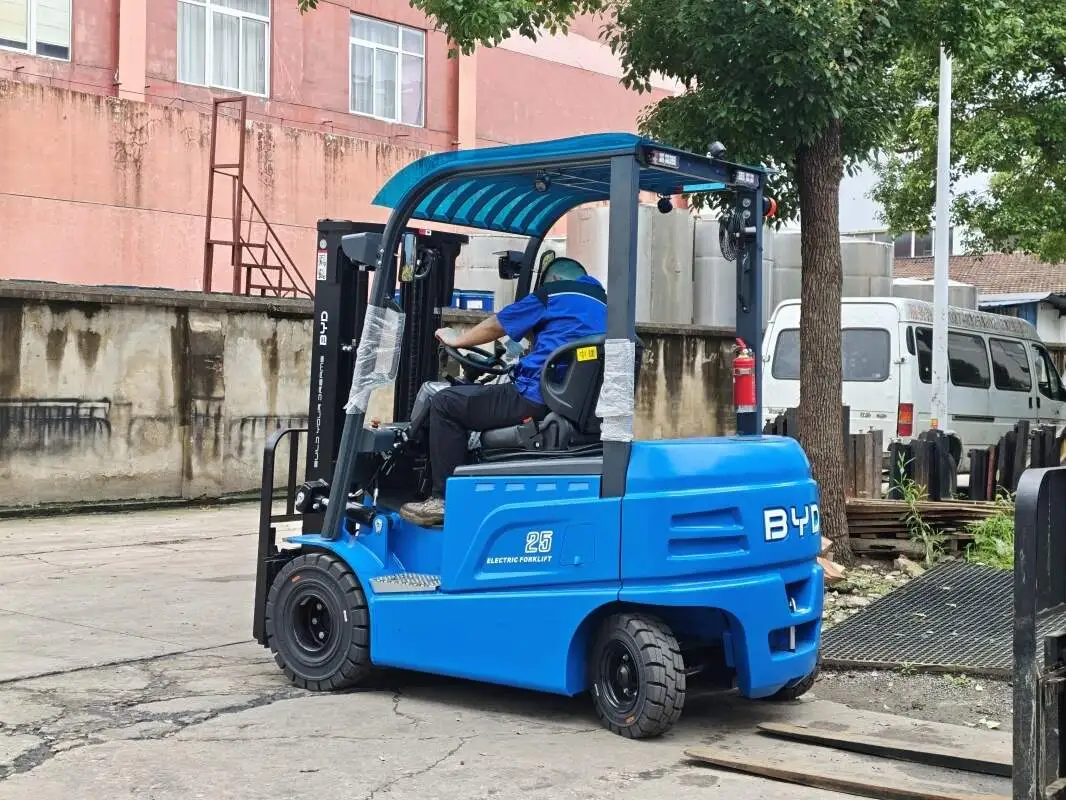
3 ton electric forklifts stand as versatile solutions for businesses needing reliable material handling across both indoor warehouse environments and outdoor yard operations. Unlike their diesel counterparts, they offer zero tailpipe emissions, making them suitable for enclosed spaces while delivering the power required to lift heavy loads outdoors. This guide breaks down critical factors to consider when selecting the right model for your needs.
First, battery type is a foundational decision. Lead-acid batteries are a cost-effective option, ideal for operations with lower daily usage and dedicated charging time. However, they require regular maintenance, including water refills, and have longer charging cycles paired with shorter lifespans. Lithium-ion batteries, by contrast, offer faster charging capabilities, longer overall lifespans, and minimal maintenance demands. For businesses operating across indoor and outdoor spaces with frequent shifts, lithium-ion models often provide better long-term value, as they can withstand temperature fluctuations common in outdoor settings without significant performance drops.
Next, evaluate core performance specifications to match your operational requirements. Load capacity should consistently hit 3 tons across different lift heights, ensuring it can handle your typical pallet weights even when reaching upper storage racks. Lift height needs to align with your warehouse shelving or outdoor stacking needs—opt for models with adjustable lift settings if you have varied tasks. Maneuverability is key: tight turning radii are essential for navigating narrow indoor aisles, while a stable, wide base provides the necessary balance for outdoor work on uneven gravel or asphalt surfaces. Travel speed should strike a balance between efficiency and safety, with many models offering adjustable speed settings to suit indoor precision work or outdoor quick transport.
Environmental adaptability is another critical factor. For indoor use, prioritize models with quiet operation to comply with workplace noise regulations and non-marking tires that protect polished warehouse flooring from scuffs. For outdoor use, look for weather-resistant components: rust-proof steel frames, sealed electrical systems, and robust, traction-heavy tires that perform well on wet or rough terrain. Some models also feature waterproofing to handle occasional rain exposure without damaging internal parts.
Safety features cannot be overlooked. Every 3 ton electric forklift should include essential safeguards like operator seat belts, overhead guards to protect against falling objects, and anti-slip flooring in the cabin to prevent slips during movement. Advanced features such as automatic braking systems, backup cameras for improved visibility in busy indoor warehouses or outdoor yards, and LED lighting for low-light conditions add an extra layer of protection. Ergonomic design, including adjustable seats and easy-to-reach controls, helps reduce operator fatigue during long shifts, enhancing overall safety and productivity.
Finally, consider maintenance and total cost of ownership. While lithium-ion batteries have a higher upfront cost, their lower maintenance needs and longer lifespans often translate to savings over time. Regular maintenance tasks include checking battery health, inspecting tire tread and pressure, testing brake systems, and monitoring hydraulic fluid levels. Choose models with easy access to key components to simplify repairs and reduce downtime. Additionally, verify warranty coverage for critical parts like the battery and motor to offset unexpected repair costs.
By carefully evaluating these factors—battery type, performance specs, environmental adaptability, safety features, and maintenance needs—you can select a 3 ton electric forklift that seamlessly transitions between indoor and outdoor tasks, supporting efficient, safe, and cost-effective material handling for your business.

