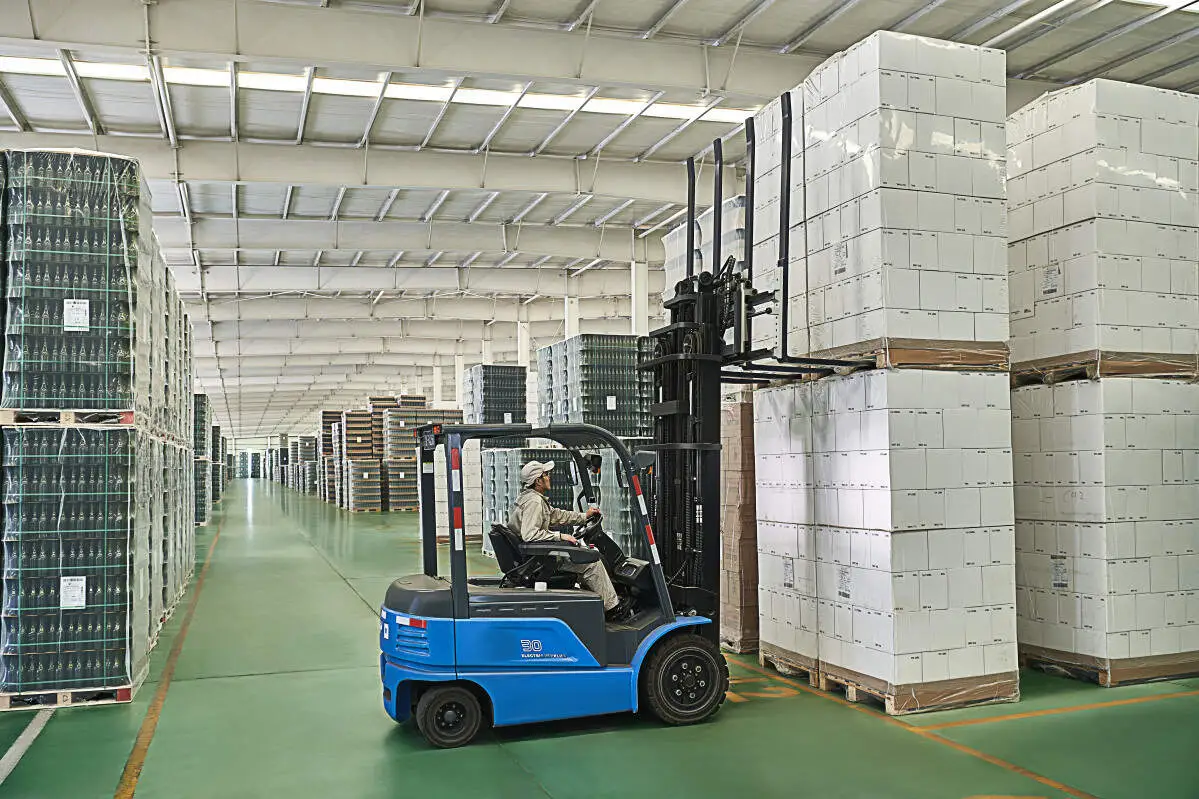
Handling extra-long bulk materials like lumber, steel beams, or pipe sections poses unique challenges for standard forklifts. Their fixed-length forks often struggle to reach across the full span of these loads, leading to instability, increased risk of damage, and inefficient material movement. This is where extendable fork attachments step in, offering a tailored solution to address these pain points and expand a forklift’s operational range.
Extendable fork attachments are designed to slide outward from the base forks, allowing operators to adjust the fork span to match the length of the load. Unlike fixed forks, these attachments can extend to varying lengths depending on the model, typically ranging from a few feet to several meters, ensuring full support for even the longest bulk materials. The extension mechanism is usually hydraulically powered, integrating seamlessly with the forklift’s existing hydraulic system for smooth, controlled adjustment.
One of the primary benefits of these attachments is improved load stability. By extending the forks to fully support the entire length of the material, operators reduce the risk of the load shifting or tipping during transport. This not only protects the material from damage but also enhances workplace safety by minimizing the potential for accidents caused by unstable loads. Additionally, extendable forks eliminate the need for specialized equipment or multiple lifts to handle long materials, streamlining operations and reducing labor costs.
When using extendable fork attachments, it’s crucial to adhere to key operational guidelines to ensure safe and efficient performance. First, operators must verify the attachment’s load capacity relative to the extended length—load limits often decrease as forks are extended, so understanding these parameters is essential to avoid overloading. Regular maintenance is also vital; inspecting hydraulic lines, sliding mechanisms, and locking components before each use helps prevent mechanical failures during operation. Operators should also receive proper training on how to adjust the forks, position the load correctly, and maneuver the forklift with extended forks, as the increased length can affect the vehicle’s turning radius and stability.
Extendable fork attachments are particularly valuable in industries such as construction, lumber yards, steel manufacturing, and logistics. In construction sites, they enable forklifts to handle long steel beams and wooden trusses without the need for cranes in confined spaces. Lumber yards benefit from the ability to transport multiple long lumber pieces in a single trip, boosting productivity. For steel manufacturers, these attachments simplify the movement of pipe sections and structural steel, reducing handling time and improving workflow.
Another advantage is the flexibility these attachments provide. When not handling long materials, operators can retract the forks to standard length, allowing the forklift to perform regular tasks like pallet handling without needing to remove the attachment. This versatility makes extendable forks a cost-effective investment, as they eliminate the need to purchase separate equipment for different material handling needs.
In conclusion, extendable fork attachments are a practical and efficient solution for addressing the challenges of handling extra-long bulk materials with forklifts. By enhancing load stability, improving operational efficiency, and offering versatile functionality, these attachments help businesses optimize their material handling processes while maintaining high safety standards. Whether in construction, manufacturing, or logistics, integrating extendable fork attachments into forklift operations can lead to significant improvements in productivity and cost savings.