
 简体中文
简体中文 繁体中文
繁体中文 Deutsch
 日本語
日本語 한국어
한국어 Tiếng Việt
 Русский
 ไทย
ไทย Bahasa Indonesia
 Bahasa Melayu
 Filipino
 لالعربية
 Français

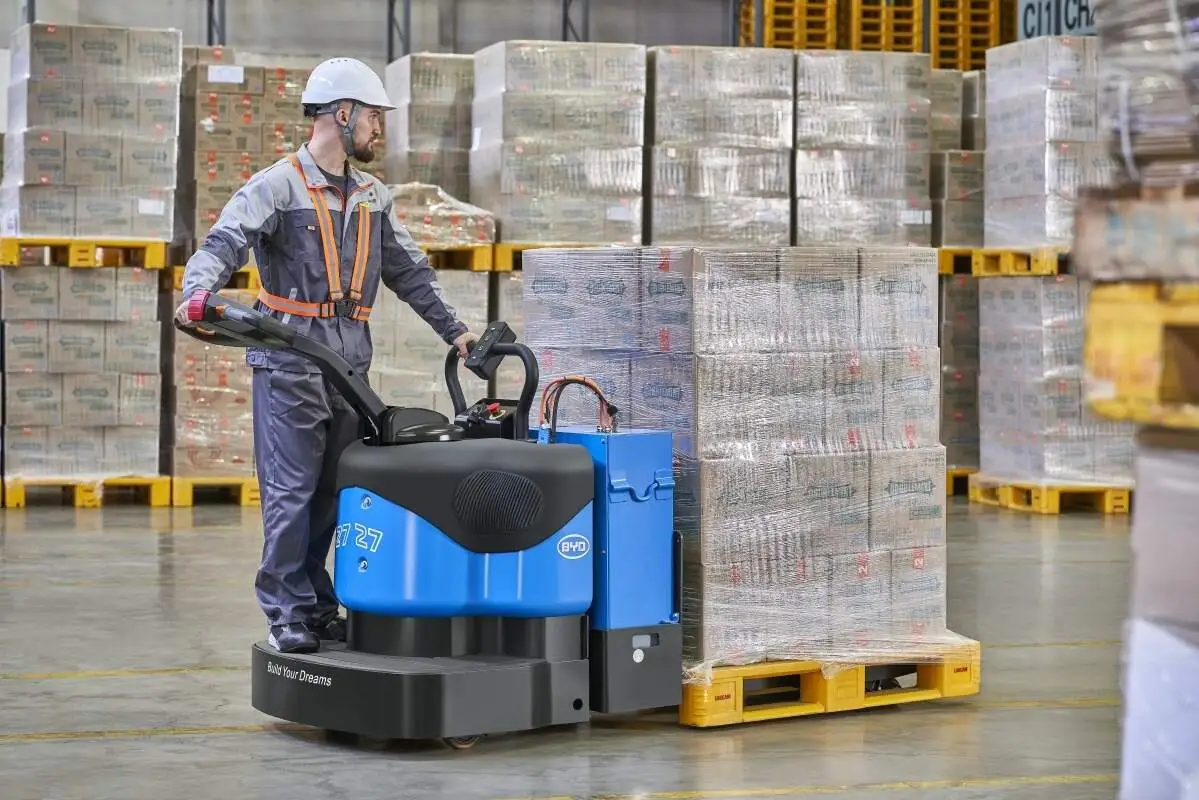
The development of modern cold chain warehousing has led to a continuous increase in the demand for cargo handling turnover. Due to its flexible and compact size, 1.5-ton electric forklifts are suitable for narrow passages in cold storage, making them a commonly used transitional handling equipment in warehouses and at the mouth of warehouses. However, after ordinary electric forklifts enter the common low-temperature environment, battery discharge efficiency may decrease, electronic control system insulation is damaged, and some structural components are prone to embrittlement. Therefore, targeted low-temperature adaptation designs are required.
First, let's look at the core battery adaptation design. The low-temperature performance of lithium batteries directly affects the operating time and reliability. Common adaptation measures include setting up a multi-layer insulation structure outside the battery pack to reduce the heat exchange between the battery and the low-temperature environment. At the same time, with an intelligent temperature control system, the active preheating module is activated at low temperatures to maintain the battery in a suitable operating temperature range and improve the discharge stability. In addition, the battery cell will also choose a type with better low-temperature performance to reduce the capacity decay at low temperatures.
Next is the protection design of the electronic control and electrical system. There is a certain humidity change in the cold storage, and sudden temperature changes when entering and leaving the storage can easily lead to condensation, which in turn can lead to circuit short circuits and other problems. Adaptive equipment will seal and protect key electrical components such as the electronic control box and terminal blocks to improve the protection level. At the same time, low-temperature resistant insulating materials are added to the surface of the electrical circuit to prevent the circuit from becoming brittle and breaking in a low-temperature environment. Some equipment will also set up anti-condensation auxiliary measures at the location of key components to further reduce the impact of condensation.
Then there is the adaptation of the hydraulic system and structural components. The hydraulic system will choose low-temperature resistant hydraulic oil to ensure fluidity and lubricity at low temperatures, to avoid the failure of hydraulic pump cylinders and other components to work normally. The load-bearing and brittle parts of the body will be replaced with materials with better low-temperature toughness, enhancing the service life and safety of the components.


