
 简体中文
简体中文 繁体中文
繁体中文 Deutsch
 日本語
日本語 한국어
한국어 Tiếng Việt
 Русский
 ไทย
ไทย Bahasa Indonesia
 Bahasa Melayu
 Filipino
 لالعربية
 Français

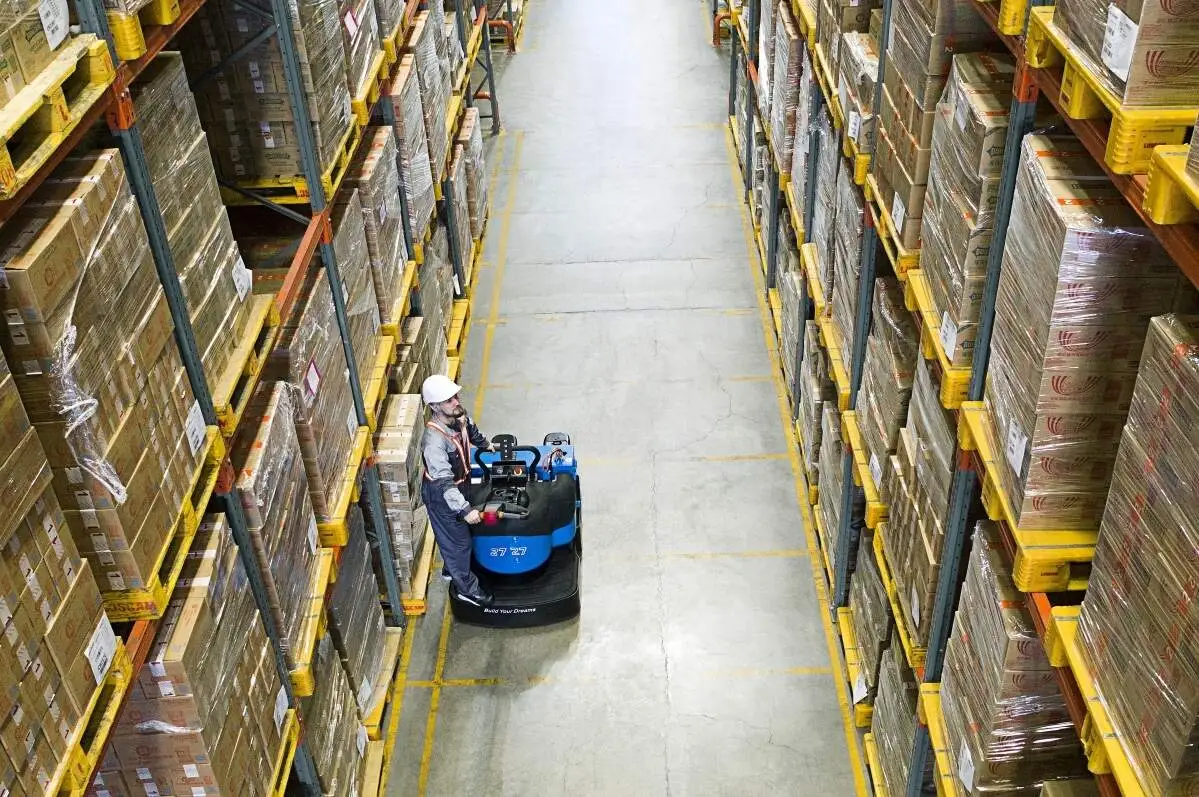
In the logistics warehousing and factory handling operation scenarios, tractors are the core equipment to ensure efficient operation. At present, the mainstream tractors in the market are mainly divided into two categories: lithium-ion tractors and internal combustion trailers. The difference in operating costs between the two is a key consideration when selecting an enterprise.
energy cost comparison
The energy consumption characteristics of different power sources directly affect daily operating expenses. Internal combustion trailers use fuel as the driving energy, which is greatly affected by oil price fluctuations. Moreover, under idling, low-speed start-stop and other operating conditions, the fuel utilization rate is low, and the accumulated energy consumption of long-term operations is high. Lithium-ion tractors are powered by electric energy, and the electricity price is relatively stable. The energy conversion rate of the motor under various operating conditions is higher, especially in the operating scenarios of frequent start-stop plants, which can effectively reduce energy loss and make daily energy consumption costs more controllable.
Maintenance cost comparison
The maintenance of equipment is a necessary expenditure for long-term operation, and the maintenance requirements of the two types of equipment are significantly different. The power system structure of internal combustion trailers is complex, including engines, gearboxes and many other precision components. It needs to replace oil, filter elements, spark plugs and other consumables regularly, and the engine maintenance frequency is high, and the labor and material costs are at a high level. The power system structure of lithium electric tractors is relatively simple. The core components are batteries and motors. Daily maintenance only needs to check the battery status, clean the circuit, etc., without frequent replacement of consumables. The maintenance cycle is longer, and the overall maintenance cost is significantly lower than that of internal combustion trailers.
Depreciation and residual value comparison
The depreciation and residual value of equipment are also an important part of operating costs. The performance of the power system of the internal combustion trailer decays rapidly with the increase of service life, especially the wear and tear of the engine components will lead to a rapid decline in the residual value of the equipment, and the depreciation cost is high. The core battery life of the lithium battery tractor is long, and the current battery recovery system is gradually improved. The residual value of the equipment is relatively stable, and the depreciation cost is lower. Long-term use can effectively dilute the initial investment.
Overall, lithium-ion tractors perform better than internal combustion trailers in terms of energy consumption, maintenance, depreciation, and other aspects of operating costs. Although the initial purchase cost may be slightly higher, the total cost advantage of long-term use is significant, making it more suitable for enterprises with high operating frequency and sensitive operating costs.


