
 简体中文
简体中文 繁体中文
繁体中文 Deutsch
 日本語
日本語 한국어
한국어 Tiếng Việt
 Русский
 ไทย
ไทย Bahasa Indonesia
 Bahasa Melayu
 Filipino
 لالعربية
 Français

Risk Characteristics of Grain and Oil Processing Dust Area 21
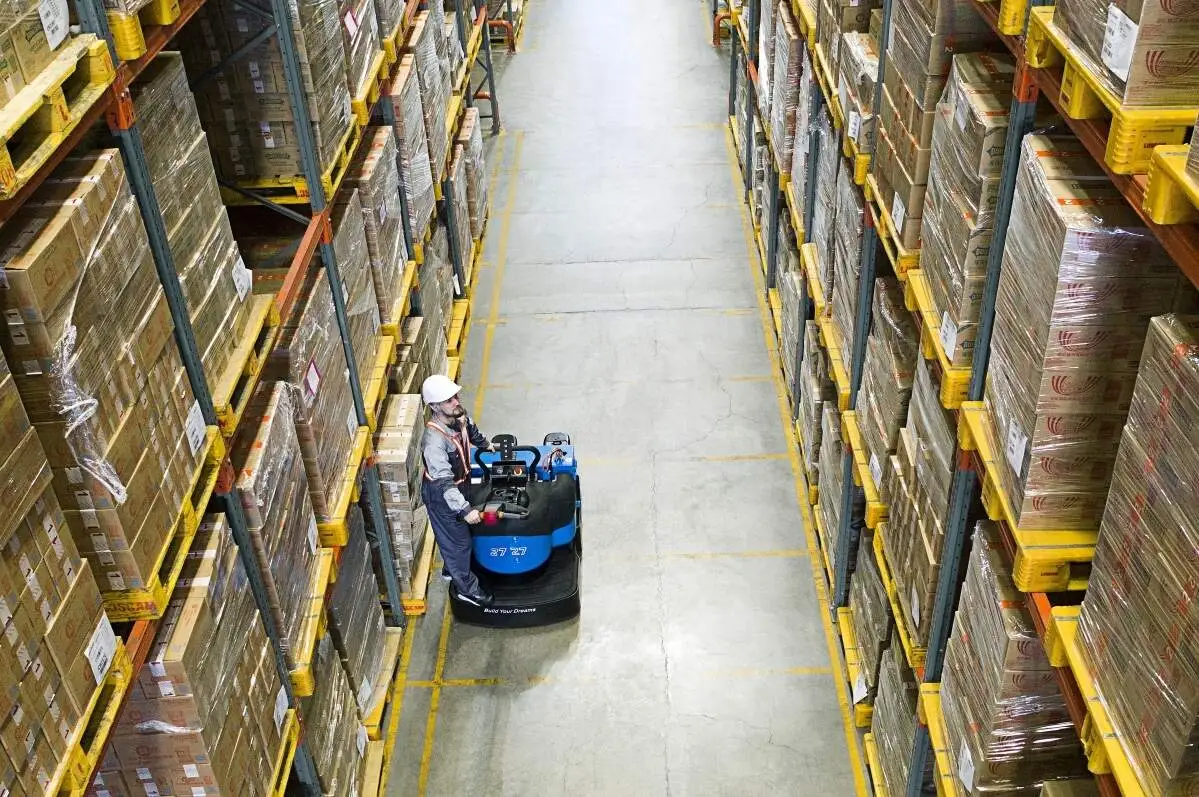
A large amount of starch and grease dust will be generated during the processing of grain and oil. This kind of dust is flammable. When the concentration reaches the explosion limit, it is easy to cause an explosion in case of sparks, high temperature and other fire sources. Zone 21 belongs to the dust explosion hazard area, which refers to the area where explosive dust environment may occur during normal operation. The dust concentration fluctuates frequently in the operation scene, and strict requirements are placed on the explosion-proof performance of the operation equipment. Ordinary forklifts cannot operate safely in this area due to the risk of electrical sparks, mechanical friction sparks, etc., and special forklifts that meet explosion-proof standards need to be selected.
The suitability of explosion-proof lithium forklifts in Zone 21
Explosion-proof lithium forklifts are specially designed for dust explosion environments, and explosion-proof measures are taken from the electrical system to the mechanical parts. The electrical part adopts an explosion-proof structure to avoid the leakage of circuit sparks; the mechanical parts add anti-static treatment to reduce the generation of friction sparks; the lithium battery itself has stable chemical properties and reduces the risk caused by battery failure. Compared with traditional fuel explosion-proof forklifts, lithium-electric forklifts have lower noise and zero emissions, making them more suitable for closed or semi-closed grain and oil processing workshops. At the same time, the energy utilization rate is higher, which can meet the needs of long-term operations.
Operation specification for explosion-proof lithium battery forklift in Zone 21
Check points before work
Operators need to conduct a comprehensive inspection of the forklift in advance, focusing on confirming the integrity of the explosion-proof components, including whether there are cracks in the explosion-proof shell and whether the sealing gasket is intact, and ensuring that there are no exposed circuits in the electrical system. At the same time, check the power and status of the lithium battery to confirm that there is no leakage, bulging and other abnormalities. In addition, check the dust concentration in the working area to ensure that the forklift is restarted within a safe range.
Operating requirements during operation
During the operation, it is necessary to strictly control the driving speed to avoid sudden acceleration and sudden braking to generate friction sparks. When handling materials, handle them with care to prevent the material from spilling and increasing the dust concentration. At the same time, avoid the collision between the forklift and the workshop equipment and walls, and prevent the damage of mechanical parts from generating sparks. Workers need to wear anti-static work clothes and shoes to avoid the danger of carrying static electricity by themselves.
Post-operation maintenance matters
After the operation, it is necessary to clean the dust attached to the forklift in time, especially the surface of electrical components and lithium batteries, to prevent hidden dangers caused by dust accumulation. Professional inspection of explosion-proof components is carried out regularly to ensure that their explosion-proof performance meets the standards. Lithium batteries need to be stored in a dedicated anti-static area to avoid high temperature and humid environment, prolong the service life of the battery and ensure safety.


