
 简体中文
简体中文 繁体中文
繁体中文 Deutsch
 日本語
日本語 한국어
한국어 Tiếng Việt
 Русский
 ไทย
ไทย Bahasa Indonesia
 Bahasa Melayu
 Filipino
 لالعربية
 Français
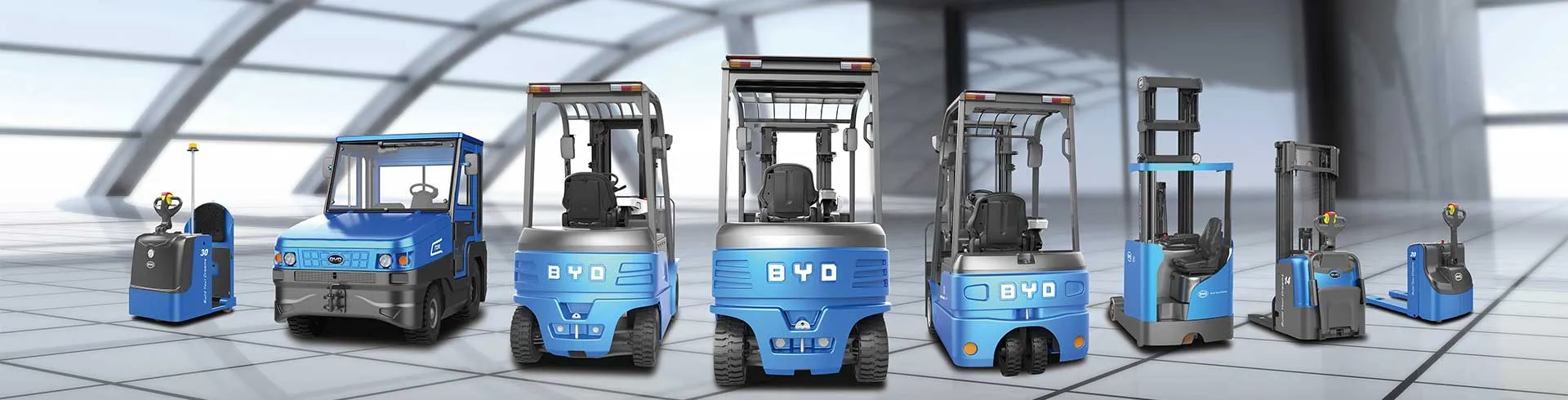
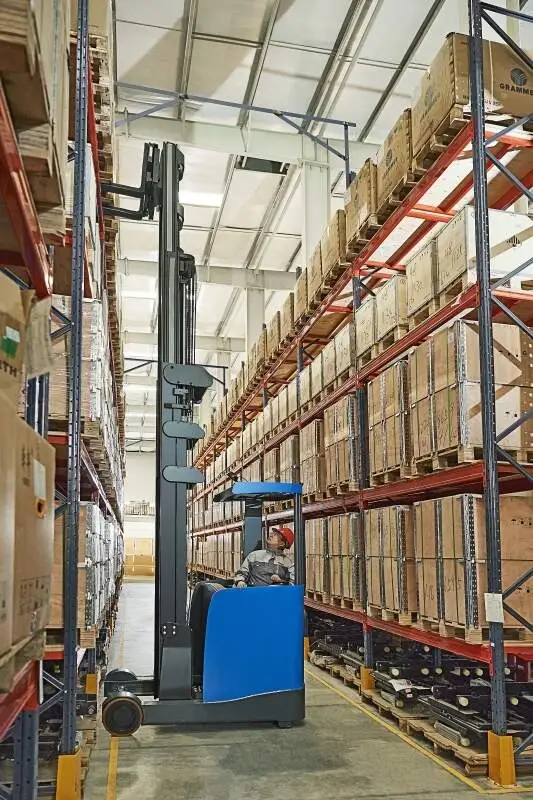
In the scene of container transit in ports and packing and unpacking in factories, the interior of the container is usually only about 2.3 meters wide, and the height of the door frame is limited by the height of the box top. Traditional internal combustion forklifts or four-point electric forklifts are difficult to operate efficiently. At this time, the adaptability of three-point lithium-electric forklifts is highlighted.
From the perspective of the model structure, the turning radius of the three-point lithium-ion forklift is generally small, and the design of rear-wheel drive or all-wheel drive allows it to achieve in-situ or near-situ steering in a small space. When entering and leaving the container door and handling the pallet internally, there is no need to adjust the body position significantly, which can effectively improve the operation efficiency. Compared with internal combustion forklifts, it has no exhaust emissions and is suitable for closed or semi-closed container operation environments, ensuring the health of the operator and the air quality in the operation area. At the same time, the noise is lower and the interference to the surrounding environment is reduced.
In terms of batteries, the advantages of lithium-ion forklifts are also more prominent. Lithium batteries are small in size and light in weight. Under the same battery life, they can reduce the weight of the whole vehicle, reduce the pressure on the container floor, and adapt to the load-bearing requirements of most container floors. Lithium batteries charge quickly, without the need for long-term water replenishment and maintenance like lead-acid batteries. They can be replenished in the working gap by fast charging to meet the needs of continuous operation in multiple shifts and reduce the downtime caused by battery maintenance or replacement.
In actual operation, the operator needs to pay attention to some points. First, before entering the container, check whether the height of the gantry is lower than the safe distance reserved for the top of the box to avoid scratching the top of the box. Second, when handling the goods, make sure that the pallet is placed smoothly and the center of gravity of the goods is centered to prevent the goods from shaking or dumping in a small space. Finally, when driving inside, control the speed of the vehicle and keep a safe distance from the box wall and door to avoid collisions.
When selecting this type of forklift, logistics and warehousing users can choose a model with appropriate parameters based on their actual requirements, such as container specifications, cargo weight and size, and operation frequency, in order to achieve a better operation experience.


