
 简体中文
简体中文 繁体中文
繁体中文 Deutsch
 日本語
日本語 한국어
한국어 Tiếng Việt
 Русский
 ไทย
ไทย Bahasa Indonesia
 Bahasa Melayu
 Filipino
 لالعربية
 Français
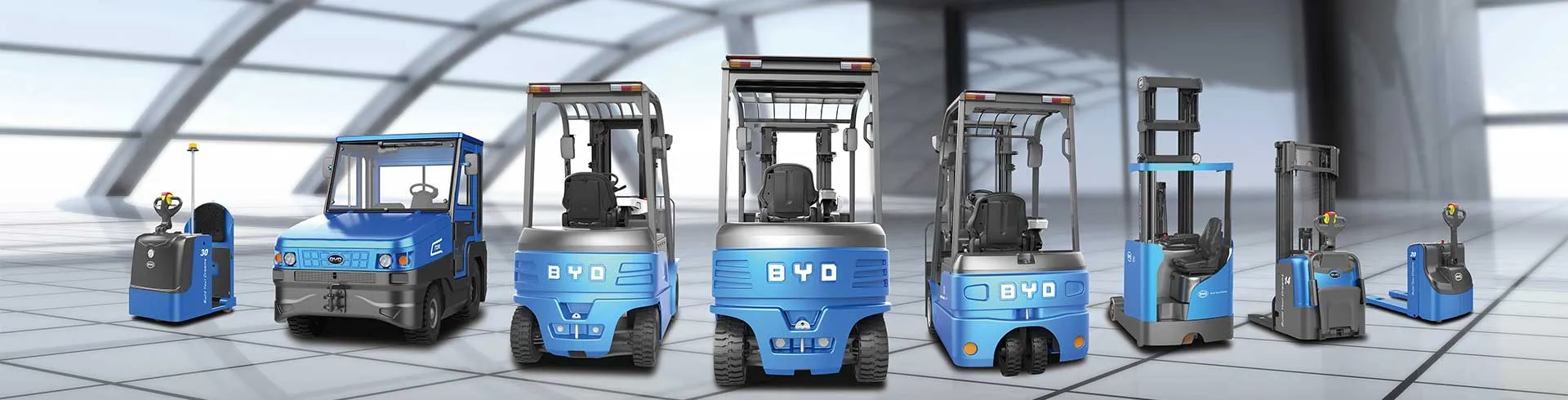
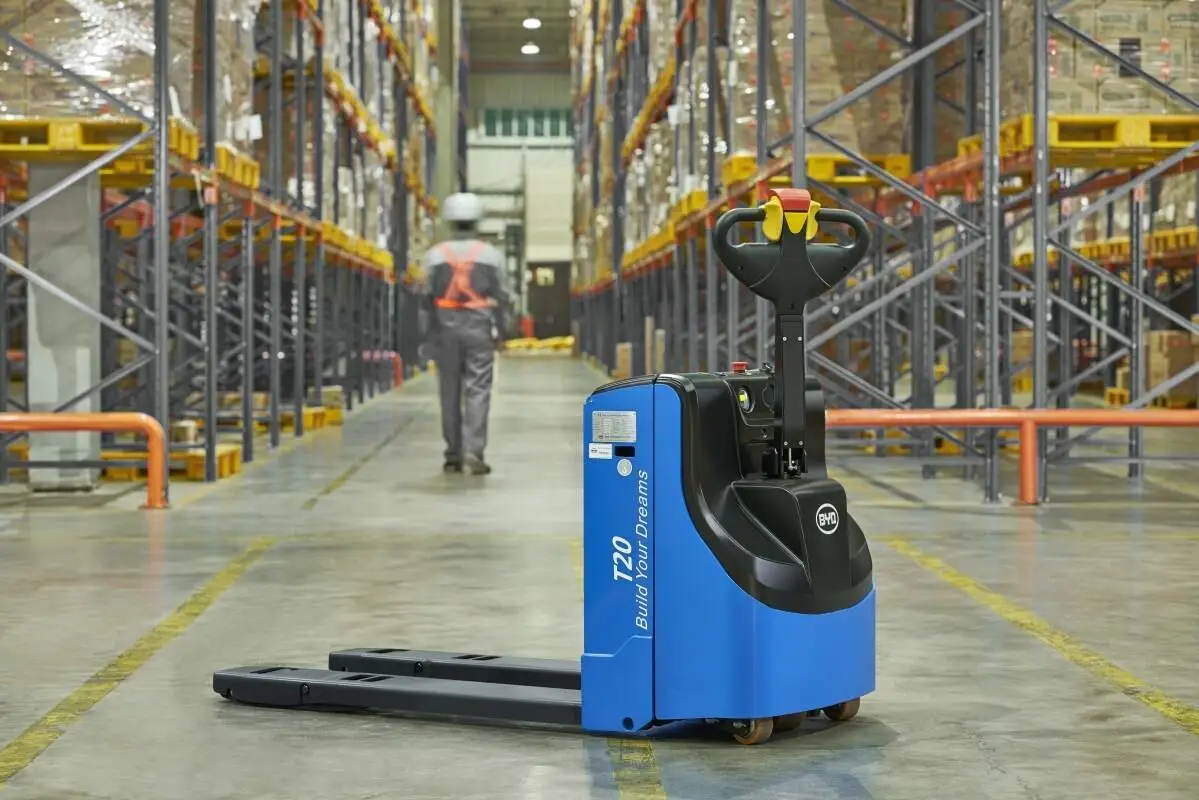
At present, factory warehouses are increasingly demanding handling efficiency and environmental protection. Second-hand 3.5-ton lithium-ion forklifts have become a popular choice due to their moderate price and good power adaptability. However, the second-hand equipment market is mixed, and reasonable methods are required to avoid risks.
Determining the usage scenarios and basic parameters is the first step in selection. Before starting, it is necessary to clarify the operation scenarios, such as indoor handling on flat roads, outdoor stacking with slight slopes, or special operation requirements such as narrow passages and side shifts. Different scenarios have certain requirements for the wheelbase, gantry height, tire type, etc., of the equipment. Then verify the basic information of the equipment. You can know the approximate production date, accumulated working hours, initial purchase and replacement of batteries, etc. through the vehicle logo and the records provided by the dealer. This information can assist in judging the overall usage intensity of the equipment. It is also important to choose formal trading channels, such as professional second-hand industrial equipment trading markets and second-hand equipment operators with stable operation experience. Such channels usually have certain basic guarantee processes.
Vehicle condition and battery inspection are the core to ensure the quality of the equipment. When inspecting the appearance and core structure, first check whether the body is obviously deformed. Slight scratching is a normal phenomenon, but it is necessary to focus on whether there are welding marks on the frame and chassis. If so, check whether the solder joints are flat and firm, and whether there are subtle cracks. Then check the door frame to see if there is bending deformation, whether the chain tension is consistent, and whether the pulley rotates with stagnation or abnormal noise. Finally, check the tires to see if the tread wear is uniform, and whether the wheel hub is deformed. You can operate functions such as lifting, steering, and side shifting on site to feel whether the action is smooth.
Battery and electrical system testing needs to be more detailed. First observe the appearance of the battery, whether there are bulges, liquid leaks, and pole corrosion; then check whether the power display on the dashboard is stable, and it can run for a period of time without load and load to test whether the power drop is reasonable; if conditions permit, you can ask experienced personnel to use professional equipment to detect the voltage and internal resistance of the single battery. Excessive internal resistance will affect the battery life; also check whether the charging interface is in good condition, and whether the battery and charger are abnormally heated during the charging process; finally test the lights, horns, hydraulic system motors, etc., to ensure the normal operation of various electrical functions, whether there are harsh and abnormal noises when the hydraulic motor starts and works, and whether the oil temperature rises within a reasonable range.


