
 简体中文
简体中文 繁体中文
繁体中文 Deutsch
 日本語
日本語 한국어
한국어 Tiếng Việt
 Русский
 ไทย
ไทย Bahasa Indonesia
 Bahasa Melayu
 Filipino
 لالعربية
 Français
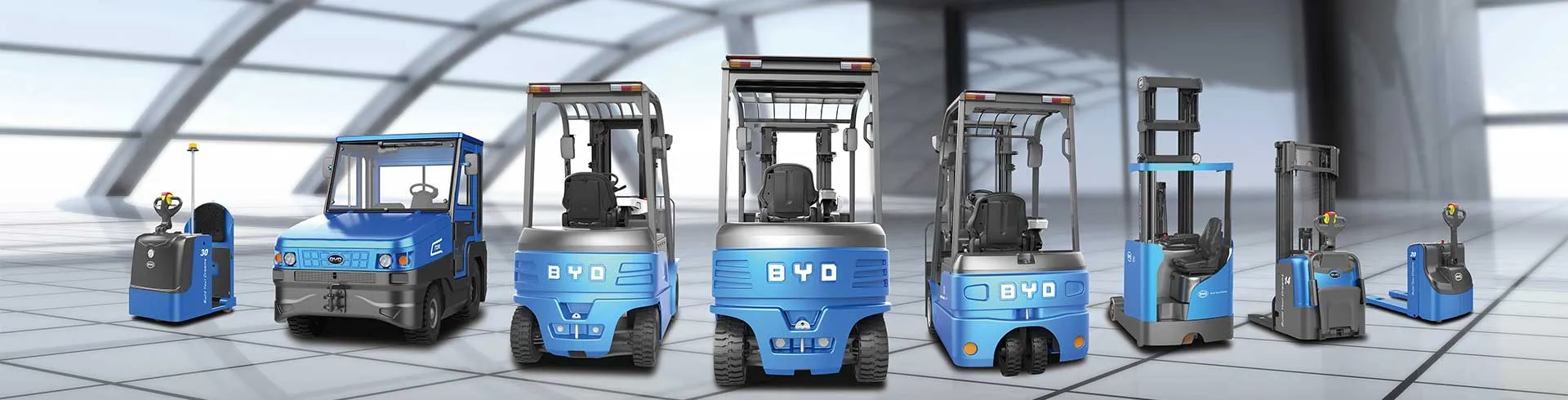
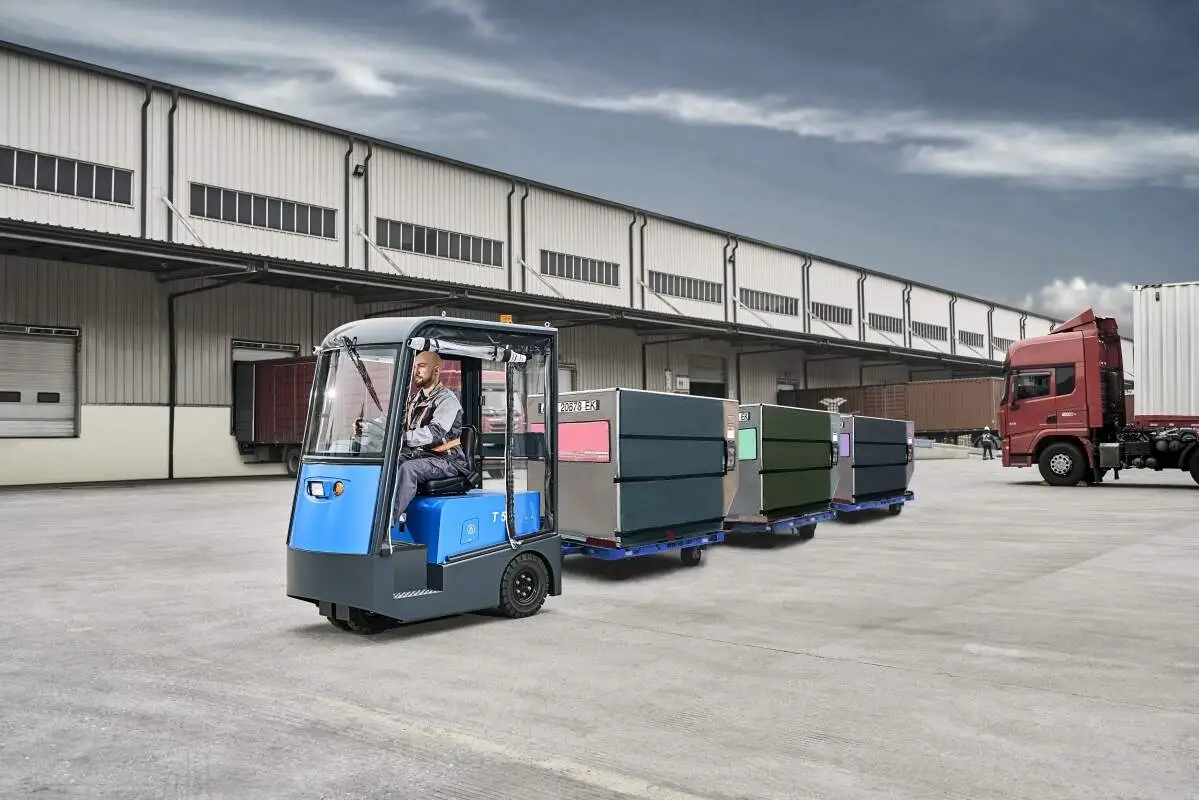
In modern warehouse loading and unloading scenarios, the 3.5-ton class is one of the widely used electric forklift load specifications. With lithium power, it can meet the long-term continuous operation. The addition of the side shift distance adjustment function can further optimize the operation process and improve the overall efficiency. Next, the composition principle of this function, common application scenarios and actual efficiency improvement points are introduced.
The core implementation of the side shift pitch adjustment function relies on two additional devices on the fork rack. The side shift device allows the entire fork group to move left and right in the horizontal direction, and the distance adjustment device can adjust the lateral spacing between the left and right forks individually. Most devices adapted to this load stage can cover a certain range of tray size requirements. During operation, the operation can generally be completed through the operation handle or button in the cab, without additional auxiliary personnel or tools, reducing labor costs and operation difficulty.
The commonly used application scenarios of the side shift pitch adjustment function are relatively clear. The first is the pallet alignment scenario. When the pallet placement position is deviated, or when it is transported to the shelf layer, it is not aligned with the reserved space. There is no need to repeatedly adjust the position of the forklift body. The side shift function can be quickly aligned, reducing the number of times the body turns, advances and retreats, and reducing driving energy consumption and tire wear. Secondly, the scene of mixed use of pallets of different specifications. Many warehouses will store multiple sizes of pallets at the same time. The distance adjustment function can quickly adapt to different specifications, without the need to replace different types of forks, which improves the versatility and switching efficiency of equipment. In addition, in the relatively limited space of the shelf area or the gap of the loading and unloading platform, it is difficult to adjust the position of the body significantly, and the side shift function can precisely fine-tune the landing point of the goods, improving the safety and flexibility of the operation.
In actual warehouse loading and unloading operations, the side shift distance adjustment function can bring more obvious efficiency improvement. Take the common whole cargo handling to high-rise narrow lane shelves as an example. Without this function, it may be necessary to repeatedly adjust the body three or four times to align the shelf layer, and the single operation time is long. With this function, only one or two body positioning is required, and then the side shift action can be completed, which can effectively shorten the single operation time. For warehouses with mixed pallet sizes, the replacement time of forks can also be completely omitted, further compressing the overall operation cycle.


