
 简体中文
简体中文 繁体中文
繁体中文 Deutsch
 日本語
日本語 한국어
한국어 Tiếng Việt
 Русский
 ไทย
ไทย Bahasa Indonesia
 Bahasa Melayu
 Filipino
 لالعربية
 Français

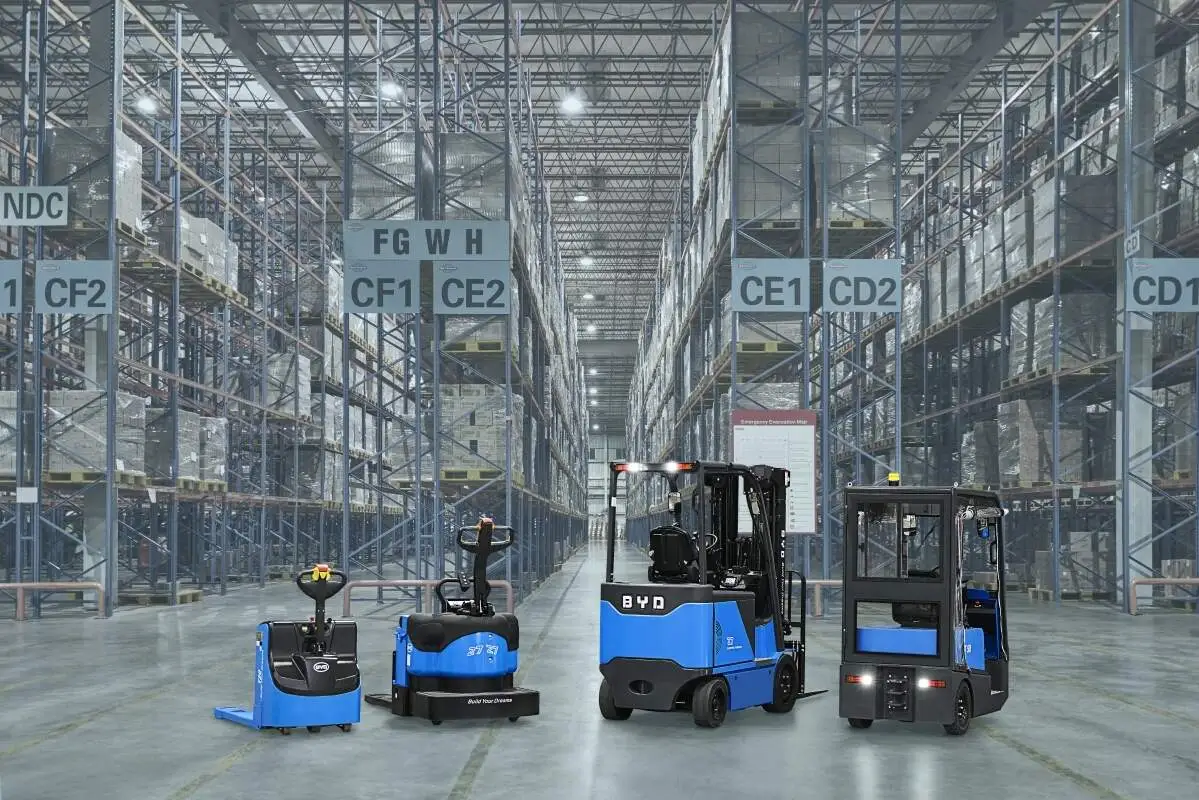
In factory production and operation, the choice of material handling equipment will affect the overall cost structure. The 3.5-ton model is suitable for most workshop scenarios due to its moderate load capacity, making it the first choice for many factories to purchase or replace vehicles. To implement the factory cost optimization plan, comparing the full-cycle usage cost of the 3.5-ton lithium-ion forklift with the fuel forklift is a key link.
First look at the daily direct energy consumption cost, assuming the same operating conditions, such as continuous light and medium speed handling for 8 hours a day, the hourly diesel consumption of fuel forklifts can be estimated according to the common range of the industry. Combined with the current domestic diesel market price, the monthly fuel expenditure will be at a relatively stable but high level. 3.5 tons of lithium-ion forklifts consume industrial electricity, and the hourly power consumption has a clear general range. Industrial electricity consumption usually has a peak-to-valley electricity price policy. If charging can be reasonably arranged during the valley power period, the energy consumption cost will be further reduced, and the overall monthly average energy consumption expenditure is significantly lower than that of fuel vehicles of the same tonnage.
When it comes to maintenance costs, this is a part that is easily overlooked but accounts for a large proportion in the long run. The power system of fuel forklifts has a complex structure, requiring regular replacement of oil, machine filters, air filters, and diesel filters. It is also necessary to clean the fuel injectors and check the spark plugs. Some parts wear out quickly and require frequent maintenance or replacement, especially for frequently used models. The maintenance interval is shorter, and the cost of a single maintenance and replacement of parts is not low. The power system of a 3.5-ton lithium-ion forklift truck is relatively simple, with fewer main wearing parts, no need to replace fuel filters, oil, etc. Under the premise of normal operation and reasonable control of the depth of charge and discharge, the service life of the power battery pack can basically cover the core power stage of the vehicle. In the later stage, only the battery voltage needs to be checked regularly, the heat dissipation port needs to be cleaned, etc., and the maintenance frequency is low, and the single cost is also low.
In addition, there are also some indirect costs that need to be taken into account. At present, the environmental protection requirements for industrial production in many places in China are becoming stricter. Fuel forklifts have exhaust emissions, and some areas may require the installation of exhaust gas treatment devices, or even restrict the use in heavily polluted weather, which may affect the production schedule or generate additional environmental protection inputs. The 3.5-ton lithium-ion forklift has zero exhaust emissions, which meets environmental protection requirements, and at the same time, the noise during operation is small, which can provide a relatively comfortable working environment for workshop workers and indirectly improve work efficiency.
Of course, the choice of which equipment cannot only depend on the cost, but also needs to be combined with the actual operating needs of the factory, site conditions, charging facilities planning and other factors. In the case of short-term small-scale use or limited site charging conditions, fuel forklifts may be more flexible; long-term stable use, environmental protection and noise requirements, and reasonable planning of charging plants, 3.5-ton lithium-ion forklifts are more conducive to cost optimization.


