
 简体中文
简体中文 繁体中文
繁体中文 Deutsch
 日本語
日本語 한국어
한국어 Tiếng Việt
 Русский
 ไทย
ไทย Bahasa Indonesia
 Bahasa Melayu
 Filipino
 لالعربية
 Français

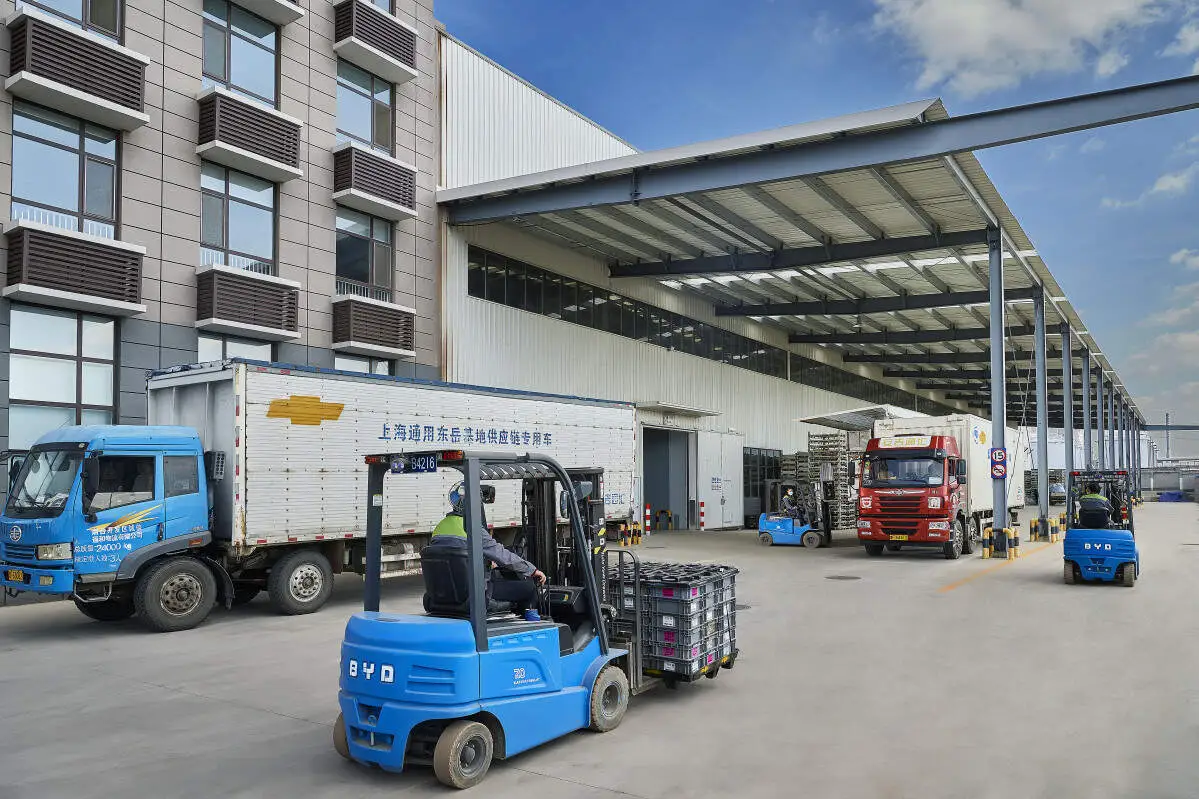
As a long-term practitioner in the field of electric storage and handling equipment, the most daily contact is the use and maintenance needs of lithium-ion forklifts of different tonnages. Among them, the 2-ton model has a wide range of applications and is the main equipment of many small and medium-sized warehousing and manufacturing enterprises. Doing a good job in its annual maintenance is important to ensure operation efficiency, reduce failure rates, and control full life cycle costs. Annual maintenance is generally recommended to be carried out when the vehicle has accumulated 2,000 hours of operation or 12 months of use. Priority inspection items should be determined in combination with daily maintenance.
The core of annual maintenance lies in the systematic inspection and replacement of necessary accessories. It can be divided into five categories: appearance and body accessories, battery system, power and transmission system, walking and steering system, and hydraulic and braking system. The inspection of appearance and body accessories is mainly to eliminate surface safety hazards and maintain a clean and standardized vehicle. First, it is necessary to comprehensively clean up the dust and oil stains inside and outside the body, especially the dead corners such as battery compartment doors, under seats, and hydraulic YouTube joints, to avoid oil corrosion and accelerated aging. Dust affects heat dissipation or obscures the identification of key components. Check whether the body shell is deformed, cracked, or paint stripped. If there is a large paint stripping area, anti-corrosion and rust treatment should be done in time. If the deformation affects the operation of key parts such as door frames and seats, it needs to be adjusted and repaired. In terms of accessories, focus on checking whether the rearview mirrors, turn signals, brake lights, warning lights, horns, operating handles, seat belts, and steering wheels are normal and effective. If they are loose, damaged, or ineffective, they need to be replaced or fastened in time.
The battery system is the core power source of the 2-ton lithium battery forklift, and it is also the part with a relatively high annual maintenance cost. It needs to be operated by qualified professionals. First clean the dust and oxides on the battery surface and connection terminals, and check the tightness of the connection terminals. If it is loose, it needs to be tightened according to the standard torque. If it is seriously oxidized, it can be treated with a special neutral cleaner and then applied with anti-oxidation grease. Then use professional testing equipment to comprehensively test the single voltage, overall capacity, and battery management system of the battery pack to see if there are any problems such as excessive voltage deviation of the single unit, capacity attenuation, and abnormal communication. If the voltage deviation of the single unit is small, it can be equalized, and the capacity attenuation does not need to be replaced within a reasonable range. If the deviation is large, the capacity is low to about 70% of the rated capacity, and the hardware fails, the corresponding parts need to be replaced. The specific plan needs to be determined in combination with the test report.
The annual maintenance routine cost of a 2-ton lithium battery forklift mainly includes the testing service fee and the replacement fee for vulnerable parts. The specific amount will vary depending on the vehicle's use intensity, operating environment, regional consumption level, and the selected service team qualifications. The routine testing service fee generally ranges from a few hundred yuan to more than 1,000 yuan. In terms of vulnerable parts, the cost of appearance and filter elements is lower, about a few hundred yuan for a set; the cost of equalizing the battery system or replacing the single unit is higher, which needs to be judged according to the actual situation.


