
 简体中文
简体中文 繁体中文
繁体中文 Deutsch
 日本語
日本語 한국어
한국어 Tiếng Việt
 Русский
 ไทย
ไทย Bahasa Indonesia
 Bahasa Melayu
 Filipino
 لالعربية
 Français

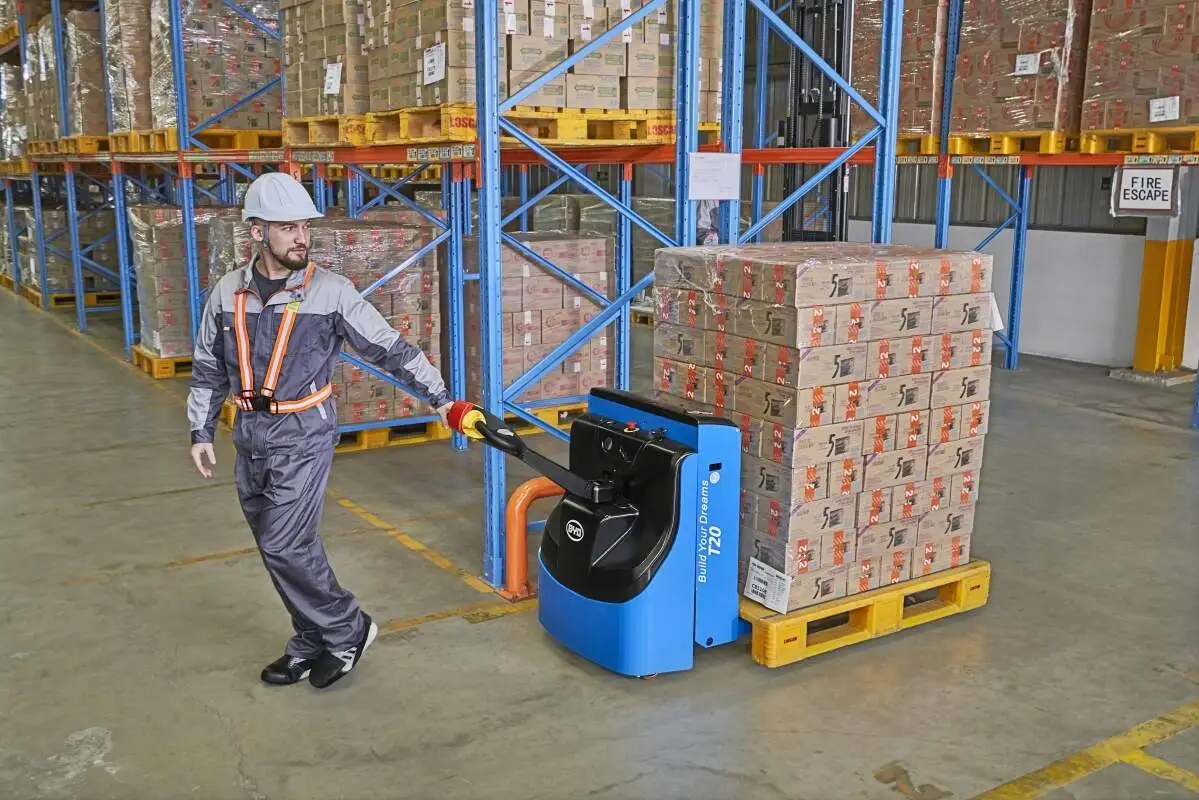
When purchasing forklifts, many companies often focus only on the initial purchase price, but ignore the key decision-making factor of life cycle cost. By comprehensively comparing the cost structure of the two types of forklifts, companies can make a selection judgment that better meets their own needs.
The difference in initial acquisition cost is significant
The initial purchase price of electric forklifts is usually higher than that of diesel forklifts, mainly due to the high cost of R & D and manufacturing of its core components such as large-capacity batteries and high-efficiency motors. In contrast, the power system structure of diesel forklifts is relatively mature and simple, and the purchase threshold for entry-level products is lower, which is suitable for scenarios with limited budget and short-term use needs.
The difference in daily operating costs is significant
In the daily operation stage, the energy consumption costs of the two types of forklifts are quite different. Electric forklifts are powered by electricity, and the electricity price is relatively stable and the unit energy cost is much lower than that of diesel. Under long-term high-frequency use, the electricity cost is only about one-third of the diesel cost. In addition, electric forklifts do not need to consider the cost risk caused by fluctuations in fuel prices, while the operating costs of diesel forklifts will fluctuate significantly with the rise and fall of oil prices.
Maintenance costs vary
The power system of an electric forklift does not have complex components such as engines and gearboxes. Daily maintenance only requires regular inspection of battery status, cleaning circuits, etc., with few maintenance items, long cycles, and low overall cost. Diesel forklifts require regular replacement of oil, fuel filters, air filters, etc., frequent maintenance of the engine and transmission system, plus maintenance expenses related to exhaust treatment, long-term maintenance costs are much higher than electric forklifts.
The recovery of residual value varies
The residual value of an electric forklift mainly depends on the wear and tear of the frame, the motor, and the remaining capacity of the battery. If properly maintained, the battery attenuation rate is controllable, and the overall residual value is relatively stable. The engine and transmission system of a diesel forklift suffer serious wear and tear after long-term use, and the power performance decreases significantly. The residual value will decrease rapidly with the service life, and the recovery value is relatively limited.
Overall, enterprises need to choose forklifts based on their own usage scenarios, usage frequencies, and long-term planning. High-frequency indoor operations are more suitable for electric forklifts, and outdoor heavy-duty low-frequency operations can consider diesel forklifts.


