
 简体中文
简体中文 繁体中文
繁体中文 Deutsch
 日本語
日本語 한국어
한국어 Tiếng Việt
 Русский
 ไทย
ไทย Bahasa Indonesia
 Bahasa Melayu
 Filipino
 لالعربية
 Français

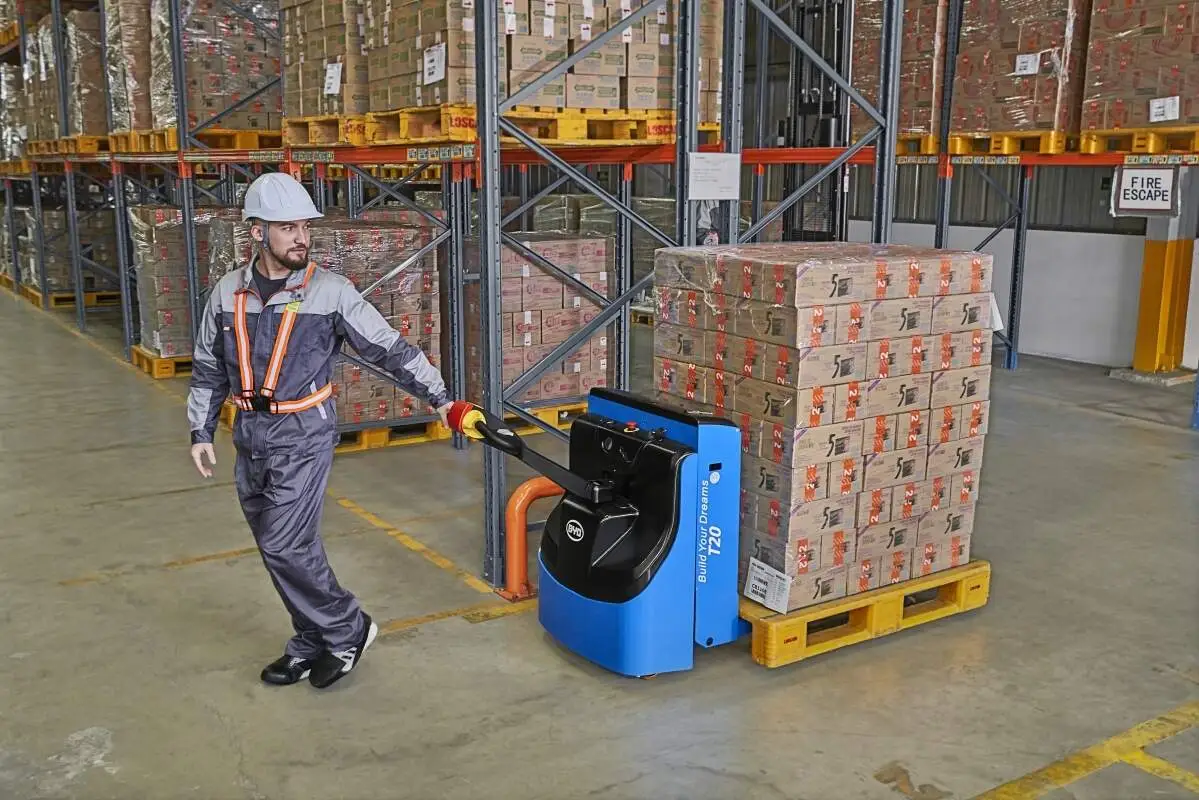
Second-hand small lithium-ion forklifts are becoming more and more popular in scenes such as warehousing and logistics small handling due to their strong site adaptability and low purchase cost. However, careful inspection is required to avoid stepping on pits when purchasing. This article has sorted out the core inspection points for reference.
Appearance structure inspection. In terms of body shell and metal parts, it is necessary to observe key load-bearing positions such as gantry, fork frame, etc., whether there are obvious deformation bumps or non-original large-area welding repair marks. Welding repair may weaken the load-bearing capacity and pose potential safety hazards. The paint surface of the body surface can also reflect the usage on the side, and more local paint may mean that a collision has occurred. On the details of the tire hub and load-bearing parts, check the degree of tread wear of the solid tire or the inflatable tire. If the tread depth is shallow, it will affect the grip. At the same time, check whether the wheel hub is deformed and cracked. The electrical safety appearance part cannot be ignored. Check whether the wire harness outside the body is aged and exposed, and whether there are traces of rust and water at the interface.
Battery inspection of core power components. In terms of the appearance and status of the battery, check whether the battery pack shell has bulge leakage, whether the fixing screws of the battery are loose, and whether the original logo that can show the use time or maintenance records is retained. The actual charge and discharge test is the key. When conditions permit, conduct a complete charge first, and then do the operation test of no-load and rated load respectively. Observe whether the power drop is uniform, and whether there will be problems such as sudden drop in power failure when working for a long time or high load.
Operation and braking system testing. During the operation handle test, repeatedly operate the fork's rise, fall, lean forward and back, and the vehicle's steering to feel whether the operation is smooth and whether there is any abnormal sound, and whether the various functions respond in time. In terms of braking performance, test the flat ground braking distance under no-load and rated load conditions, and check whether the handbrake can stably stop the vehicle on the slope.


