
 简体中文
简体中文 繁体中文
繁体中文 Deutsch
 日本語
日本語 한국어
한국어 Tiếng Việt
 Русский
 ไทย
ไทย Bahasa Indonesia
 Bahasa Melayu
 Filipino
 لالعربية
 Français

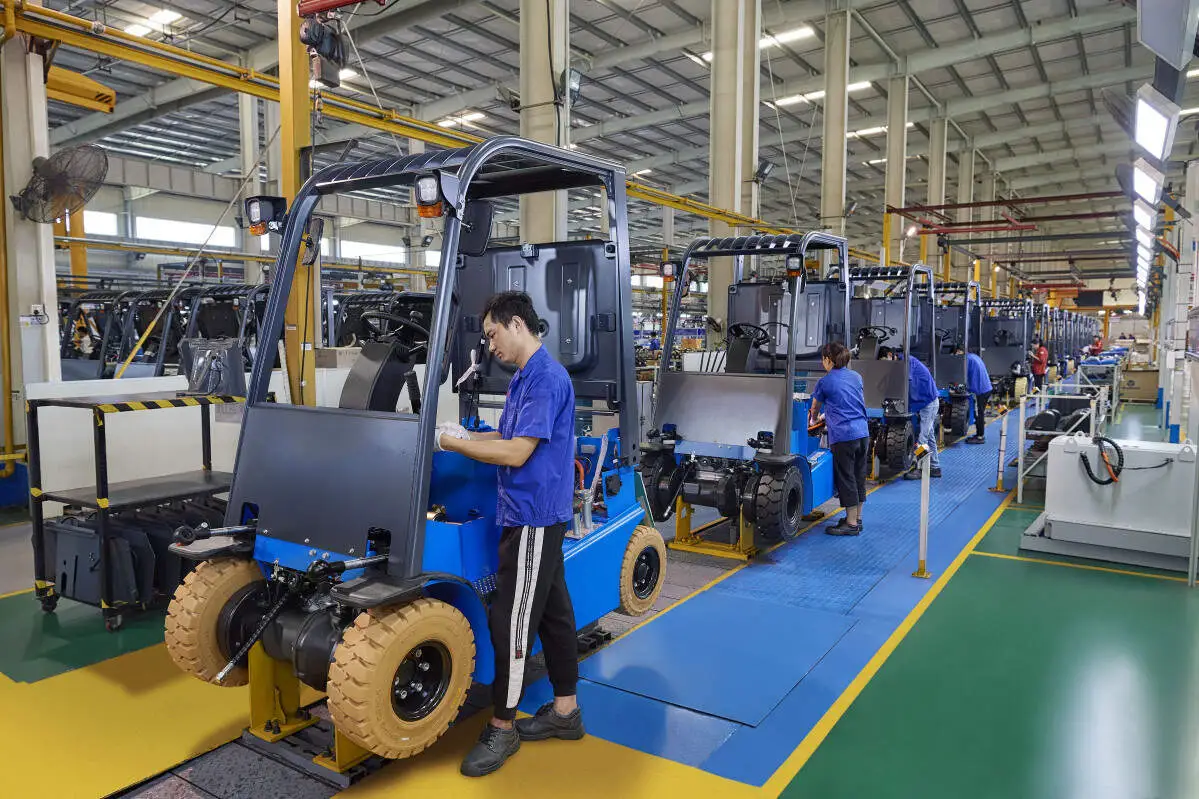
With the increasing demand for green and efficient equipment in the global logistics and warehousing industry, 1.5-ton lithium-ion forklifts have gradually become a popular category in small export equipment. Before preparing for export, completing compliance certification is the foundation, and rational planning of packing and unloading is the key to ensuring the safety of goods.
First, let's talk about the common certifications for the export of 1.5-ton lithium-ion forklifts. The European market generally requires CE certification, which involves modules such as mechanical safety, electromagnetic compatibility, and battery safety. Some countries may also require environmental protection-related REACH registration appendices or RoHS testing. The North American market is dominated by UL or ETL certification, focusing on the fire and explosion-proof performance of electrical systems and lithium batteries. The South East Asia market has relatively diverse certifications. Thailand needs TISI certification, Malaysia needs SIRIM certification, and Indonesia needs SNI certification. These certifications usually cover product quality, safety performance, etc. Some countries in Africa, the Middle East, and other regions require compliance certification, which is issued by a locally recognized third-party agency. Some also require embassy certification accompanied by invoices, packing lists, and other conventional trade documents. It is important to note that the certification requirements of different countries may be updated. It is recommended to consult the local trade department or professional certification agency about half a year before export to ensure the validity and timeliness of certification.
Next is the packing adaptation instructions for the 1.5-ton lithium-ion forklift. The commonly used shipping container is a 20-foot ordinary dry cargo container. Under normal circumstances, it can accommodate a standard 1.5-ton lithium-ion forklift. Some models with small wheelbases or special structures may be adjusted, but they must strictly abide by the maximum load and internal size restrictions of the container. Before packing, check the status of the forklift, clean up the sundries on the wheels and forks, reduce the fork to the lowest position and close it, turn off all power switches, remove removable accessories such as side shifters, extended forks, etc., pack and place them separately and mark them to prevent collision damage during transportation.
Finally, there are the precautions in the loading and unloading process. When loading the container, it is recommended to use professional forklift loading and unloading equipment or cranes to ensure that the lifting point is firm and avoid a single point of force. After the forklift enters or lifts into the container, it needs to be reinforced with fixed materials such as wooden squares, wire ropes, and tensioners. The wooden squares should be padded under the wheels and fixed on the pre-embedded holes of the container baseplate. The wire ropes or tensioners should be fixed on the front and rear frames of the forklift and the inner wall or top embedded rings of the container respectively. The tightness is moderate to prevent the vehicle from sliding or overturning during transportation. When unloading the cabinet, it is necessary to check whether the fixed materials are loose first, and then operate in the opposite order of loading to ensure safety.


