
 简体中文
简体中文 繁体中文
繁体中文 Deutsch
 日本語
日本語 한국어
한국어 Tiếng Việt
 Русский
 ไทย
ไทย Bahasa Indonesia
 Bahasa Melayu
 Filipino
 لالعربية
 Français
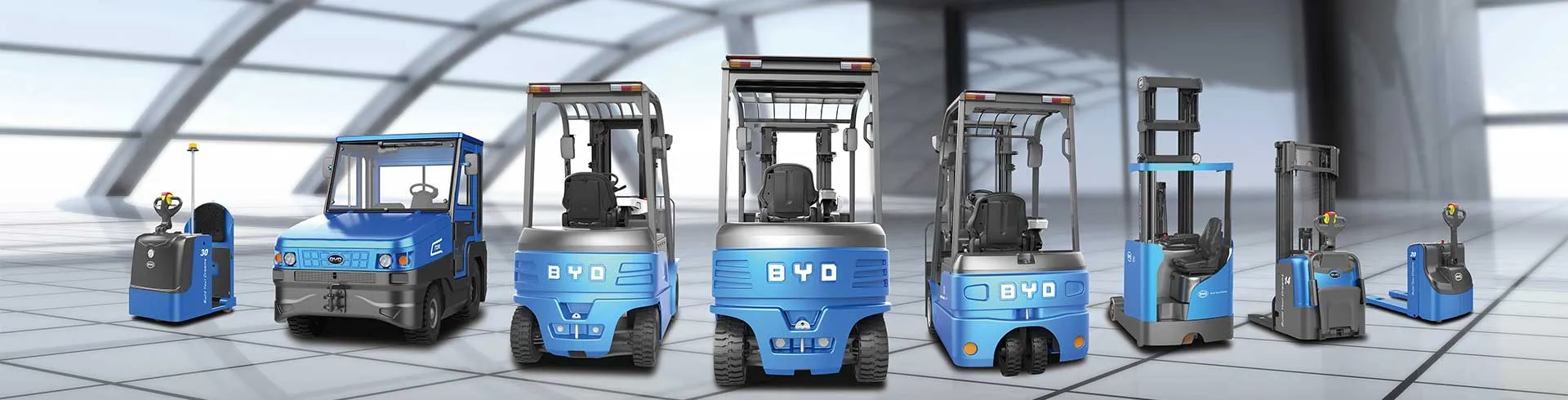
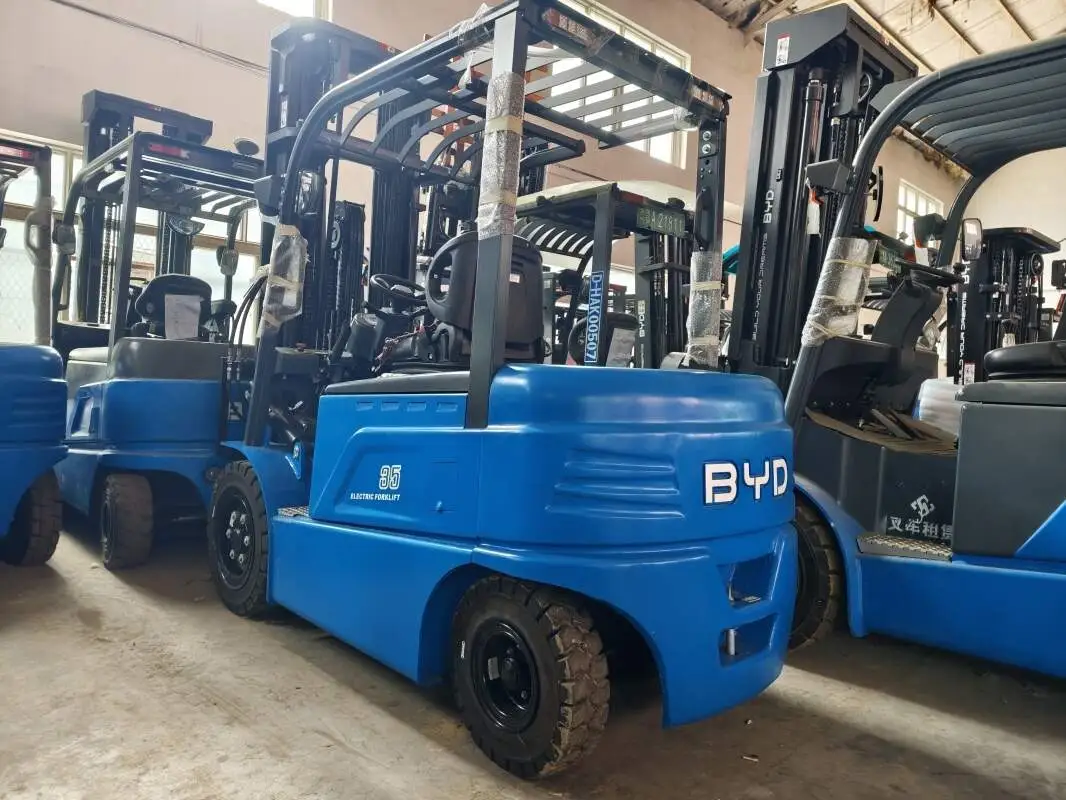
With the continuous improvement of logistics efficiency requirements in manufacturing workshops, the long-term operating cost of forklifts as core handling equipment has gradually become a key consideration for enterprises to optimize logistics costs. Many companies have begun to evaluate the feasibility of replacing traditional internal combustion forklifts with lithium-ion forklifts. The long-term operating cost difference between the two is the core basis for decision-making.
The long-term difference in energy consumption costs is the primary consideration. Internal combustion forklifts rely on fuel to drive, oil prices fluctuate frequently due to market supply and demand, and the scene of frequent start-stop and load-bearing operations in the workshop will further increase the fuel consumption rate. In the long run, fuel expenditure is not only high in total, but also has strong uncertainty. Lithium-electric forklifts are powered by electric energy, the electricity price is relatively stable, and the energy conversion rate of lithium-electric forklifts is higher. Under the same amount of operation, the cost of electric energy consumption is only one-third to one-half of the fuel cost. Over time, the gap in energy consumption costs will continue to widen.
The difference in maintenance costs is also very significant. The internal combustion forklift has a complex structure, including multiple vulnerable parts such as the engine, gearbox, and fuel system. It needs to replace the oil and filter element regularly, and disassemble and maintain the engine. The maintenance frequency is high, and the maintenance technology threshold is high, and the labor and material costs are at a high level. The power system structure of the lithium-ion forklift is relatively simple. The core components are lithium batteries and motors. Daily maintenance only needs to regularly check the battery status and clean the surface of the equipment. There is no need for complex fuel system maintenance, and the failure rate is also lower, which greatly reduces the comprehensive cost of long-term maintenance. At the same time, it reduces the loss of production efficiency caused by downtime maintenance.
The difference between service life and residual value further widens the cost gap. The engine, the core component of an internal combustion forklift, will gradually wear out as the service life increases. Generally, the overall service life is 5 to 8 years, and the performance will decline significantly in the later stage, and the residual value of the equipment will be low. The high-quality lithium battery of a lithium electric forklift can achieve thousands of charge and discharge cycles. With a durable motor, the overall service life can reach 8 to 10 years, and the lithium battery still has a certain recovery value at the end of its service life, which can reduce the loss of equipment after elimination for enterprises.
Overall, although the initial purchase cost of lithium-ion forklifts is slightly higher than that of internal combustion forklifts, from the perspective of the full cycle of long-term operation, the cost advantages of energy consumption, maintenance, life and residual value can be superimposed, which can save considerable comprehensive costs for enterprises. At the same time, it brings a more stable operation experience, which meets the development needs of workshop logistics to reduce costs and increase efficiency.


